
Monumental
 13. Jul, 2016
  0 Comments
13. Jul, 2016 0 Comments
01. Jul, 2016 0 Comments

two people embracing on the beach at Jacob Riis Park in Brooklyn, New York on July 2, 1974
photo by Waring Abbott
27. Jun, 2016 0 Comments
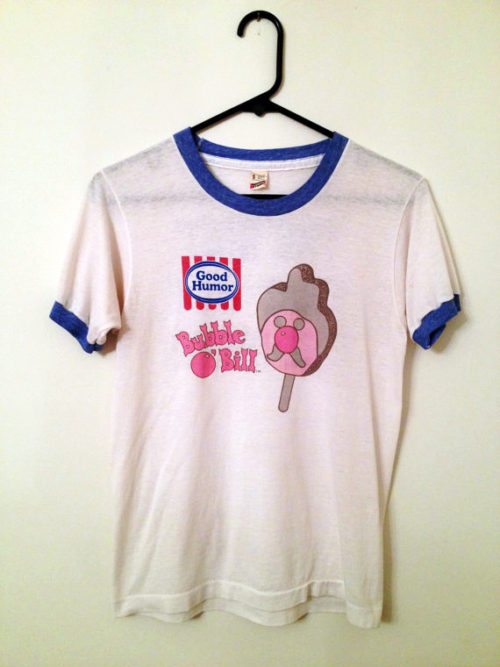
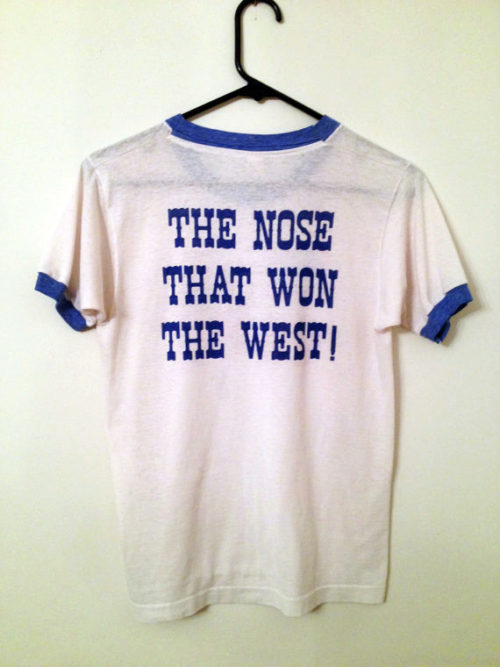
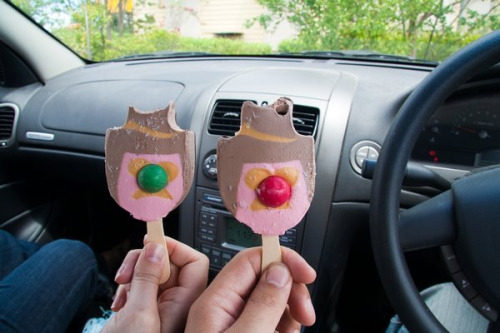
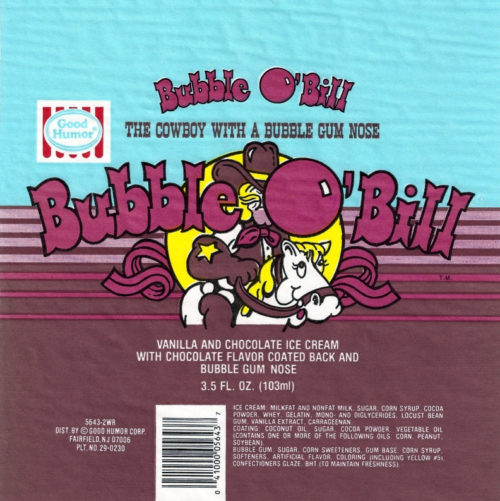
remember Good Humor’s bubblegum-ice cream hybrid…Â







23. Jun, 2016 0 Comments

View from the Window at Le Gras is a heliographic image and the oldest surviving camera photograph. It was created by Nicéphore Niépce in 1826 or 1827 at Saint-Loup-de-Varennes, France, and shows parts of the buildings and surrounding countryside of his estate, Le Gras, as seen from a high window
–
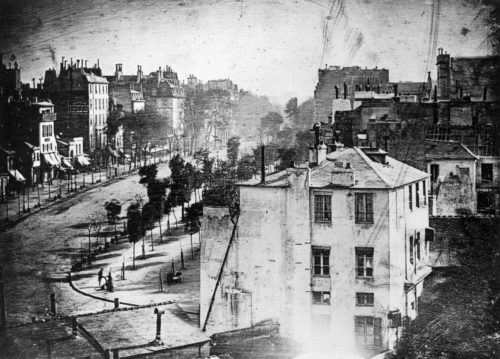
Boulevard du Temple, a daguerreotype made by Louis Daguerre in 1838, is generally accepted as the earliest photograph to include people. It is a view of a busy street, but because the exposure time was at least ten minutes the moving traffic left no trace. Only the two men near the bottom left corner, one apparently having his boots polished by the other, stayed in one place long enough to be visible
–
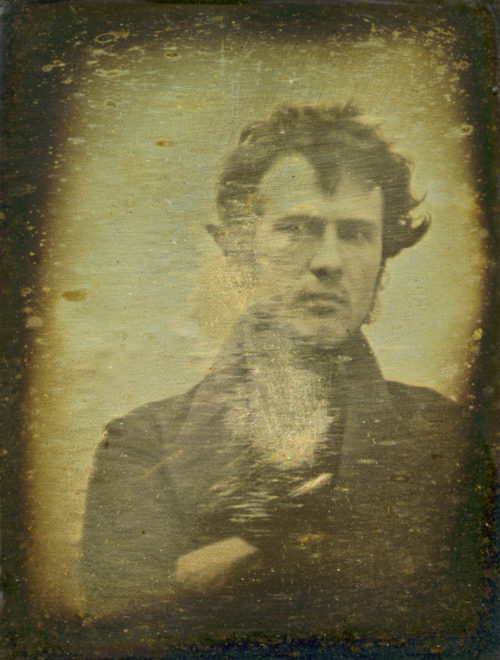
Robert Cornelius, self-portrait – believed to be the earliest extant American portrait photo
–
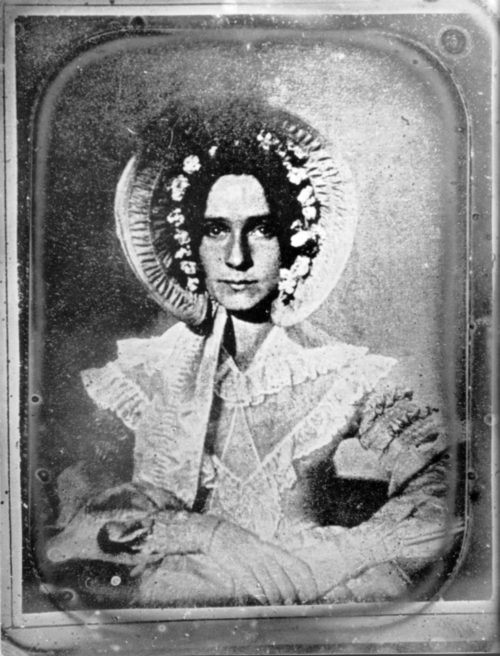
portrait of Dorothy Catherine Draper by her brother John William Draper – the earliest surviving photograph of a woman
–

a daguerreotype, showing a country home next to what is believed to be the old Bloomingdale Road, the continuation of Broadway, in what is now the Upper West Side, New York City, in October 1848 or earlier.  it is currently the oldest known surviving photograph taken of New York City
–
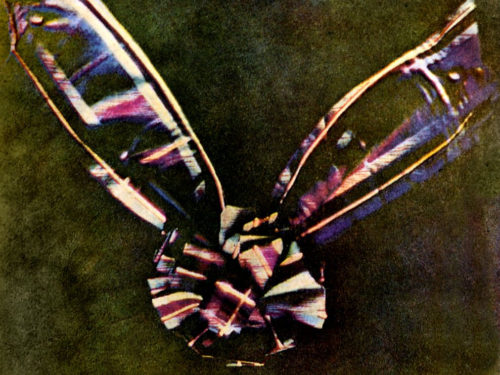
first color photograph taken by James Clerk Maxwell and Thomas Sutton. Best known for his development of electromagnetic theory, Scottish physicist James Clerk Maxwell dabbled in color theory throughout his life, eventually producing the first color photograph in 1861. Maxwell created the image of the tartan ribbon shown here by photographing it three times through red, blue, and yellow filters, then recombining the images into one color composite
15. Jun, 2016 2 Comments
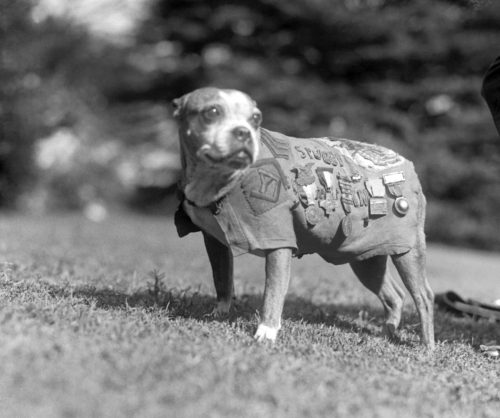
Sergeant Stubby (July 21, 1916 – March 16, 1926) is the most decorated war dog of World War I, and the only dog to be nominated for rank and then promoted to sergeant through combat.  He was the official mascot of the US’ 102nd Infantry RegimentÂ
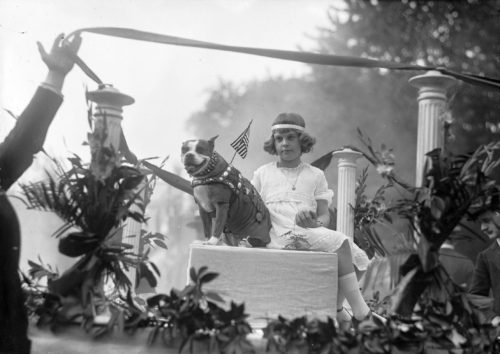
He saved his regiment from surprise mustard gas attacks, found and comforted the wounded, and once caught a German soldier by the seat of his pants, holding him there until American soldiers found him Â
He met Presidents Woodrow Wilson, Calvin Coolidge, and Warren G HardingÂ

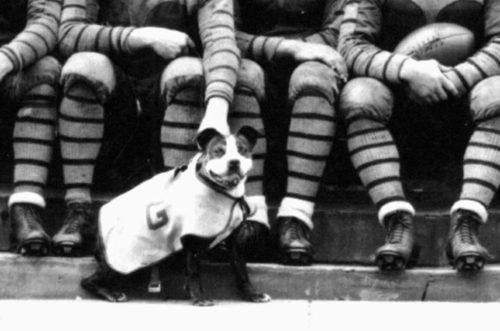
Starting in 1921, he attended Georgetown University Law Center with his owner Corporal Robert Conroy (above), and became the Georgetown Hoyas’ team mascot. He would be given the football at halftime and would nudge the ball around the field to the amusement of the fans
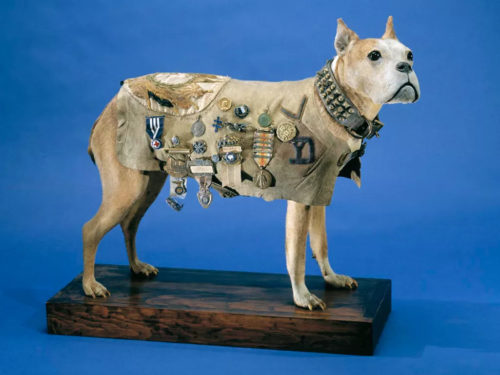
Stubby died in his sleep in 1926. After his death, he was preserved with his skin mounted on a plaster cast. Conroy presented Stubby to the Smithsonian in 1956
 0 Comments
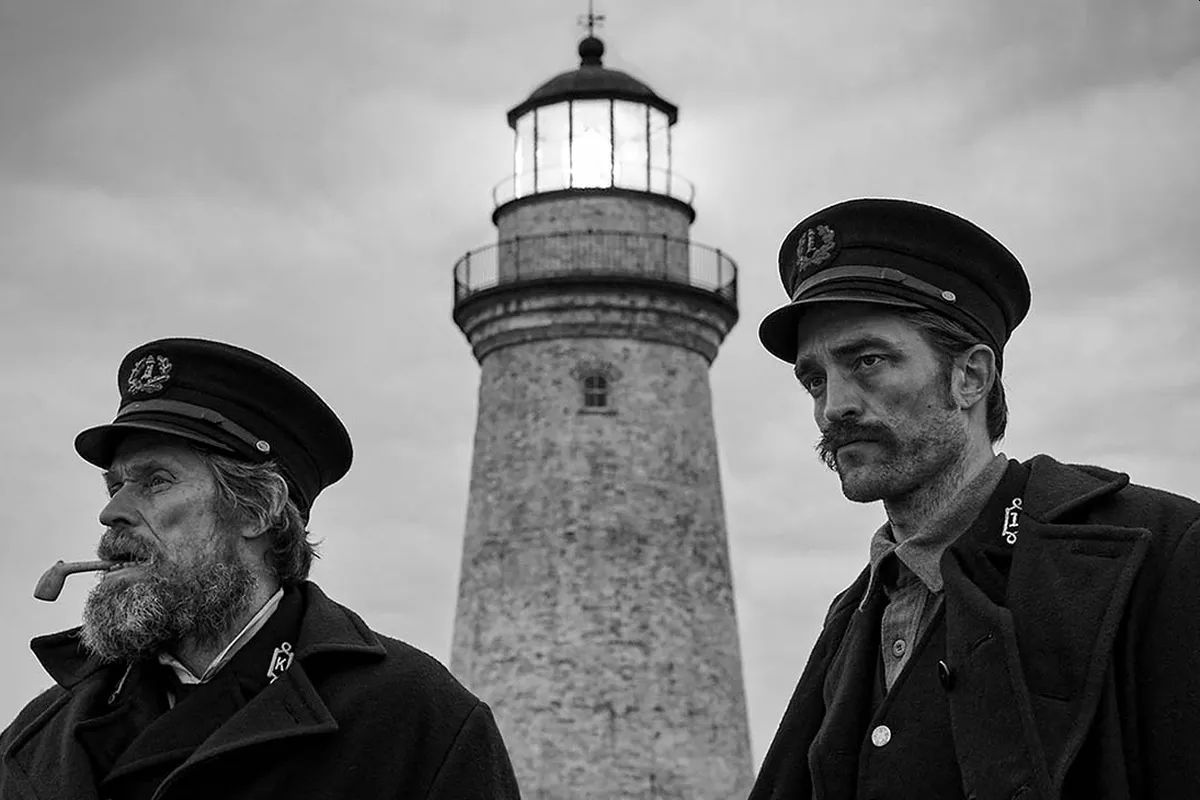
mo quick hitz! The Lighthouse Bless you Robert Eggers. You know how to strike a mood, and give us the heebie jeebies. In making a movie about two Lighthouse keepers not keeping sane, you drove us insane, and made quite the pretty picture in the process. It felt like watching a full-length, b&w version […]

caught up on a lot of movies. no time to devote full diatribes – so quick hitz! Star Wars: The Rise of Skywalker Skywalker works because it wasn’t The Last Jedi. You really screwed the pooch Rian Johnson. Can’t blame J.J. for trying to right/write the ship when he was handed a mess and […]
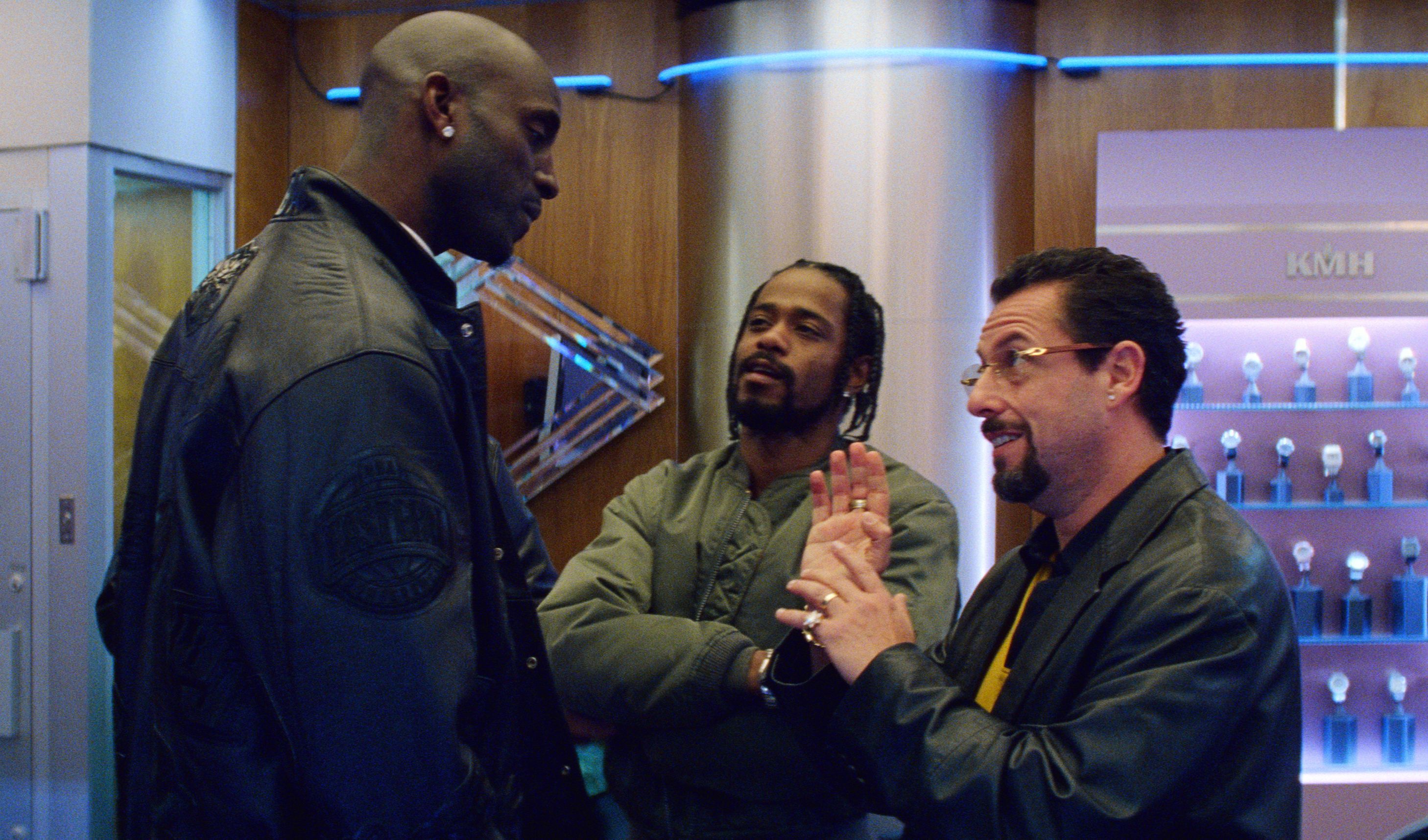
Uncut Gems Sterling, Sharp Official Site | Trailers & Mo R | 134 min This isn’t one of those Adam Sandler movies where he gets hit in the balls for laughs. It’s the kind where he gets his balls stomped on. YOU GO SANDLER!!! YOU GO GET YOUR BALLS STOMPED ON!!! Why don’t you go […]
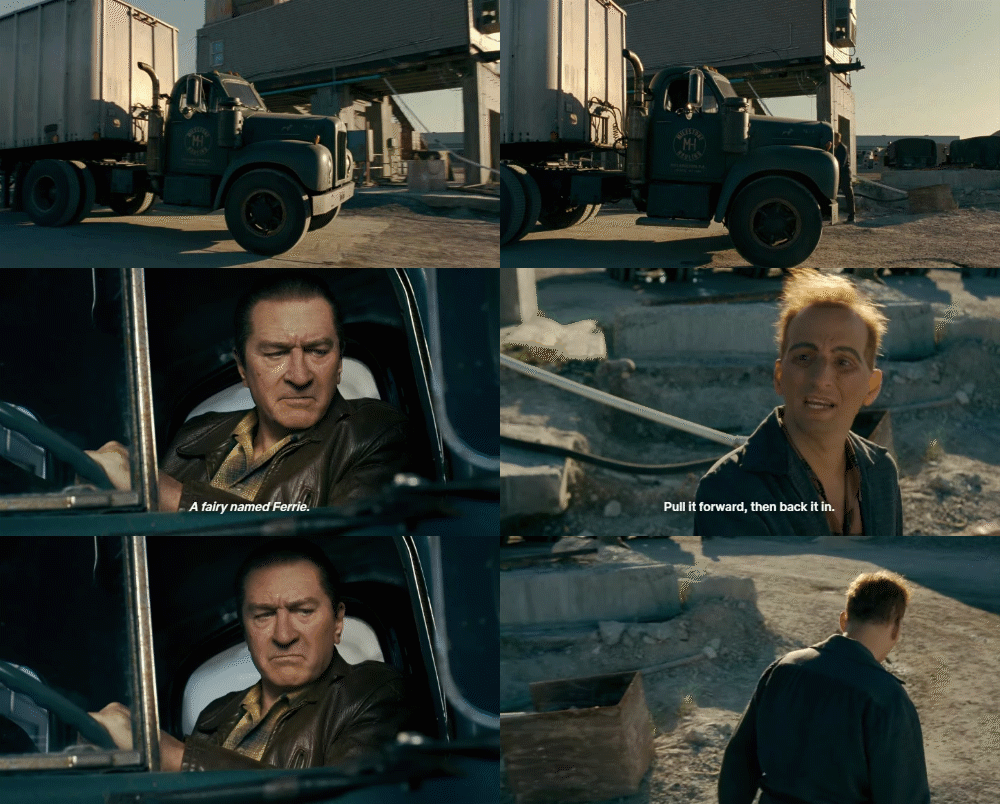
The Irishman Unionfellas Official Site | Trailers & Mo R | 210 min There is MUCH to praise about Marty’s latest grand spicy meatball (unbelievable sets and costumes! DeNiro is best when he is quiet! Pacino is even bester when he’s loud! And dancing with women!!  Tommy The Tit IS the tits!! Lums!!! that’s what […]
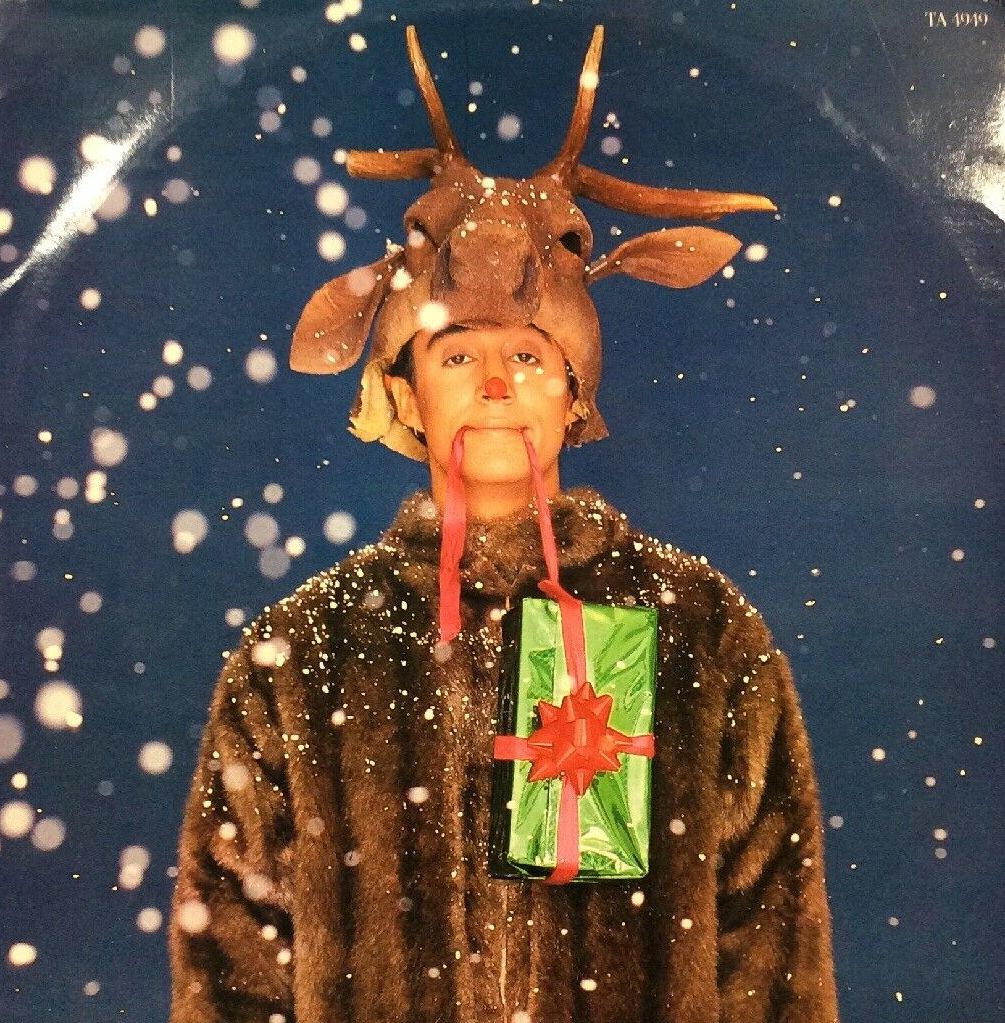
Last Christmas Wham! Bam! Mostly No Thank You Ma’am? Official Site | Trailers & Mo PG-13 | 103 min For 18/19ths of this movie (which I brought an infant in a stroller to!!! BEST DAD EVER), I was like, this is worse than a Hallmark Christmas movie!!!! THERE’S NOT EVEN A SINGLE GAZEBO IN THIS […]

Star Wars is stagnant, but there is a new hope, if only they went down a path that looked more like this… Kalinka Fox

Brazilian models pose during the IZOD IndyCar World Championship Sao Paulo Indy 300 race, April 29, 2012

104 years was not nearly enough Olivia de Havilland for this world. we needed 208. miss you tons Olivia de Havilland. miss saying your name knowing that you were still with us. we will always and forever say your name, and in that way, you will always and forever be with us Olivia de Havilland […]

Being a father has given me so much. Although for the first few years of this incredible duty and journey, it robbed me of my once great passion of seeing movies. Alas, I pushed movie-going on my daughter about as early as I could, and now she’s beyond game to go, although we’re not quite […]
thighs wide is SIXTEEN years shut!!!!! (turned sweet 16 on March 8th!) I just don’t know how to quit me. do you? (note – each picture below is clickable and will take you to its own magical place) Daphne Zucchini Bread Do Believe The Hyphen Steve Carlton Fisk Orange Crushed You’ve Reached the Office of […]

we named the breastest movies of the beastest of the 2019 and now, for the only awards that matter… SEXtenth Anal Thighs Wide Movie Awards aka THE THIGHSMANS!!! _ Greatest Righting of A Wrong In A Movie Franchise EVER in The Rise of Skywalker when they like, hey Rose, want to join us on this […]

Seven 2019 Films That Were More Pitch Perfect Than Jerry Blevins! 1) Midsommar Something wicker man this way comes!!! 2) Ad Astra it space races your heart! 3) Joker apparently never posted a review here, but this will have to do the @jokermovie is easily the best Batman related movie ever made. come for the […]

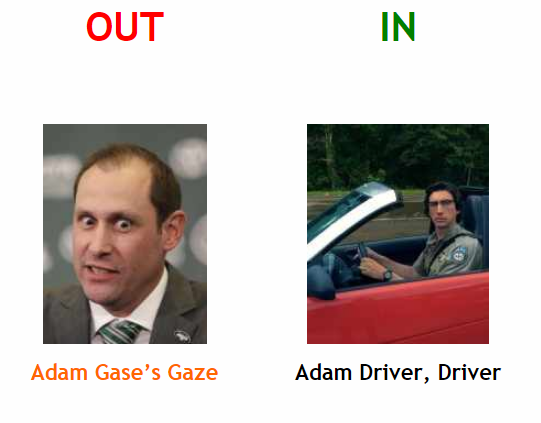
there is nothing I look forward to more than compiling our annual goodbye to last year’s trends and hello to this year’s puns. The Washington Post is more professional at this sorta thing, but maybe you’re not into the whole brevity thing… OUT IN Adam Gase’s Gaze – Adam Driver, Driver – TikTok – […]