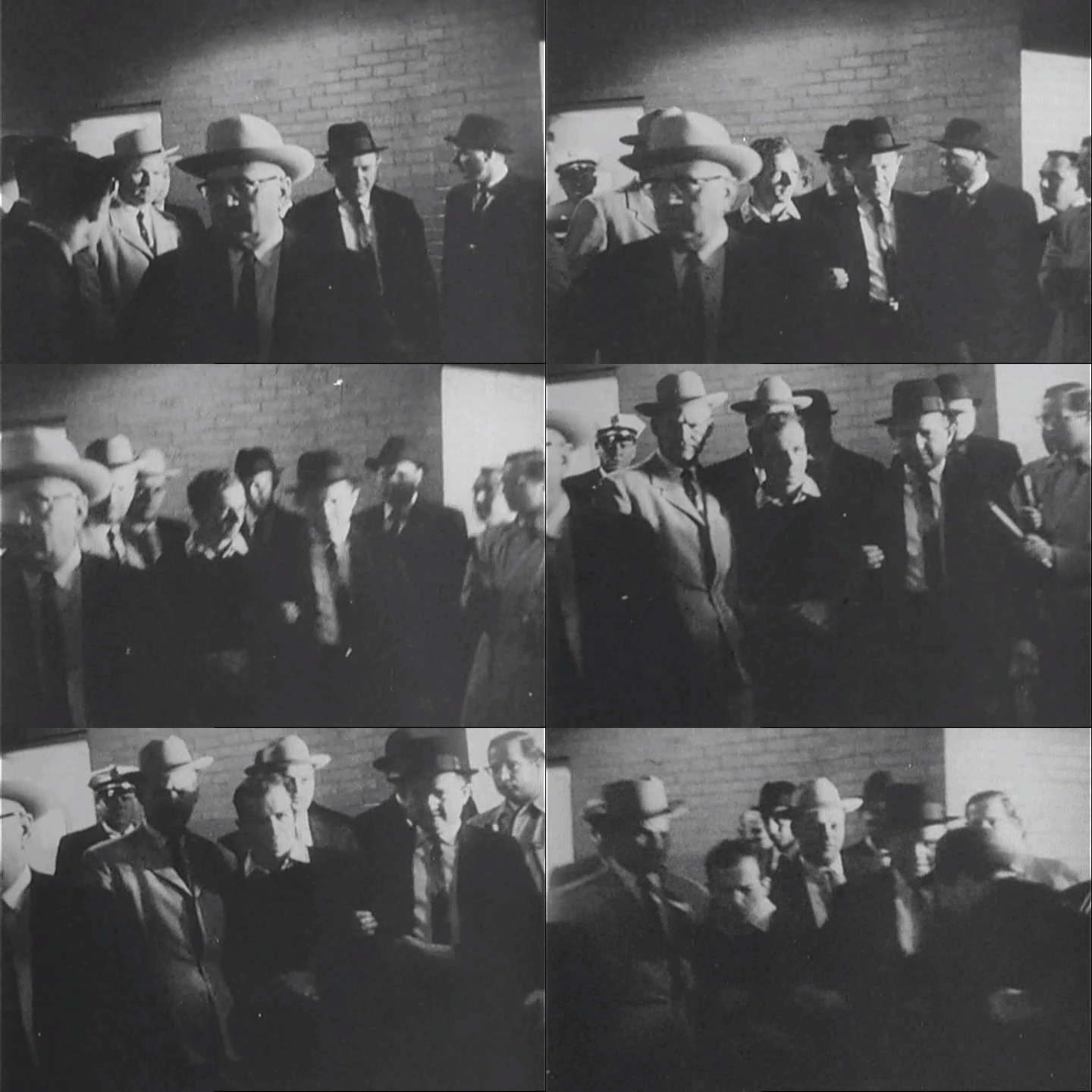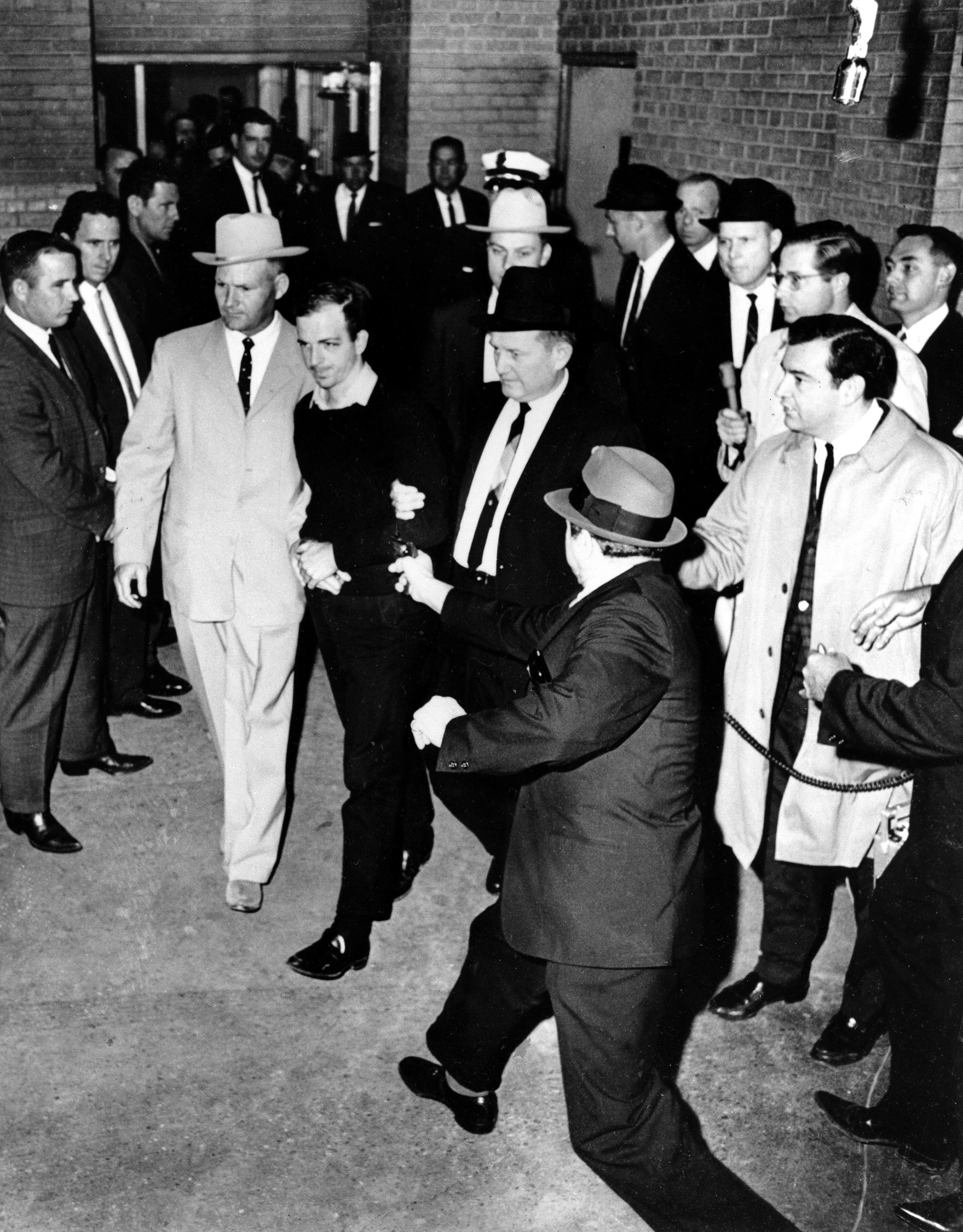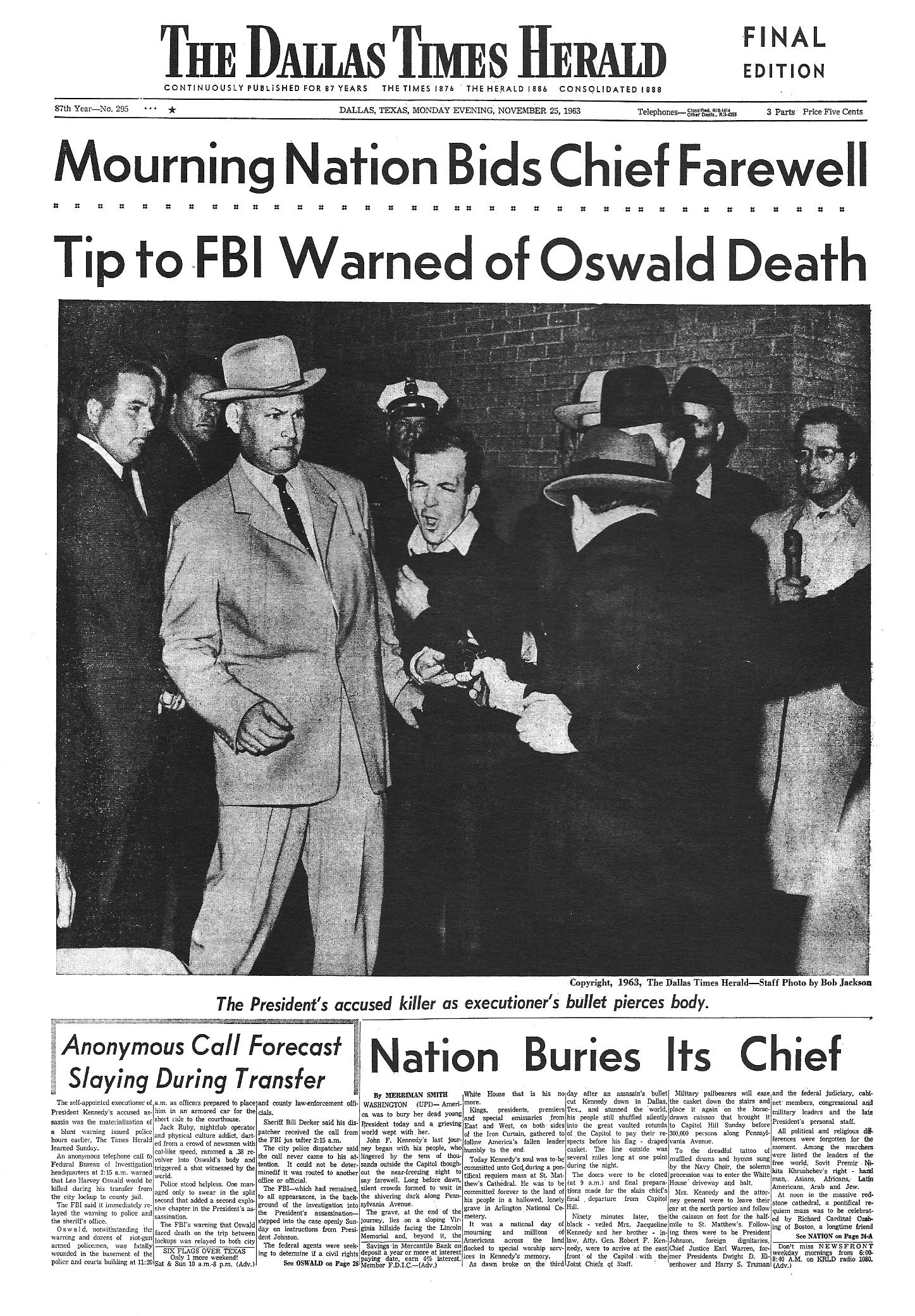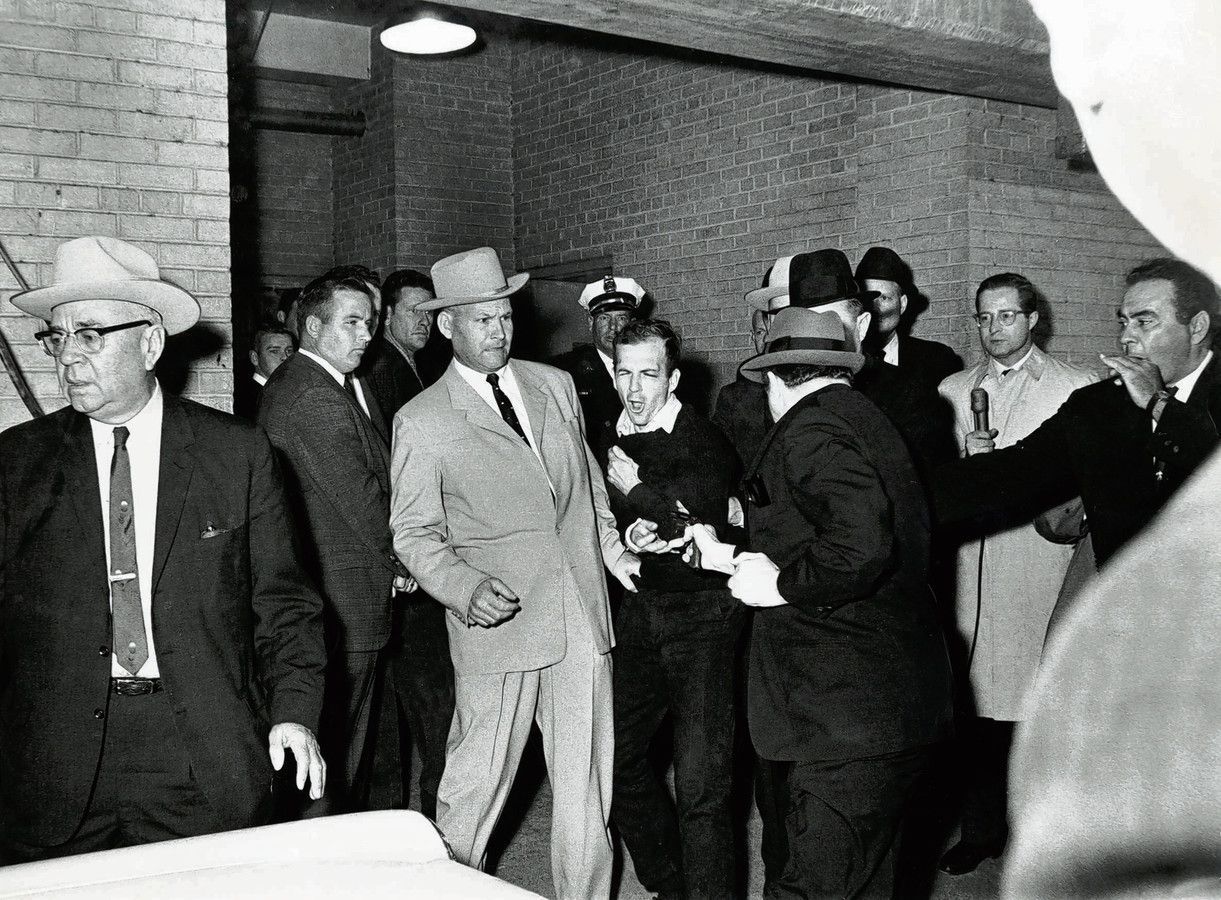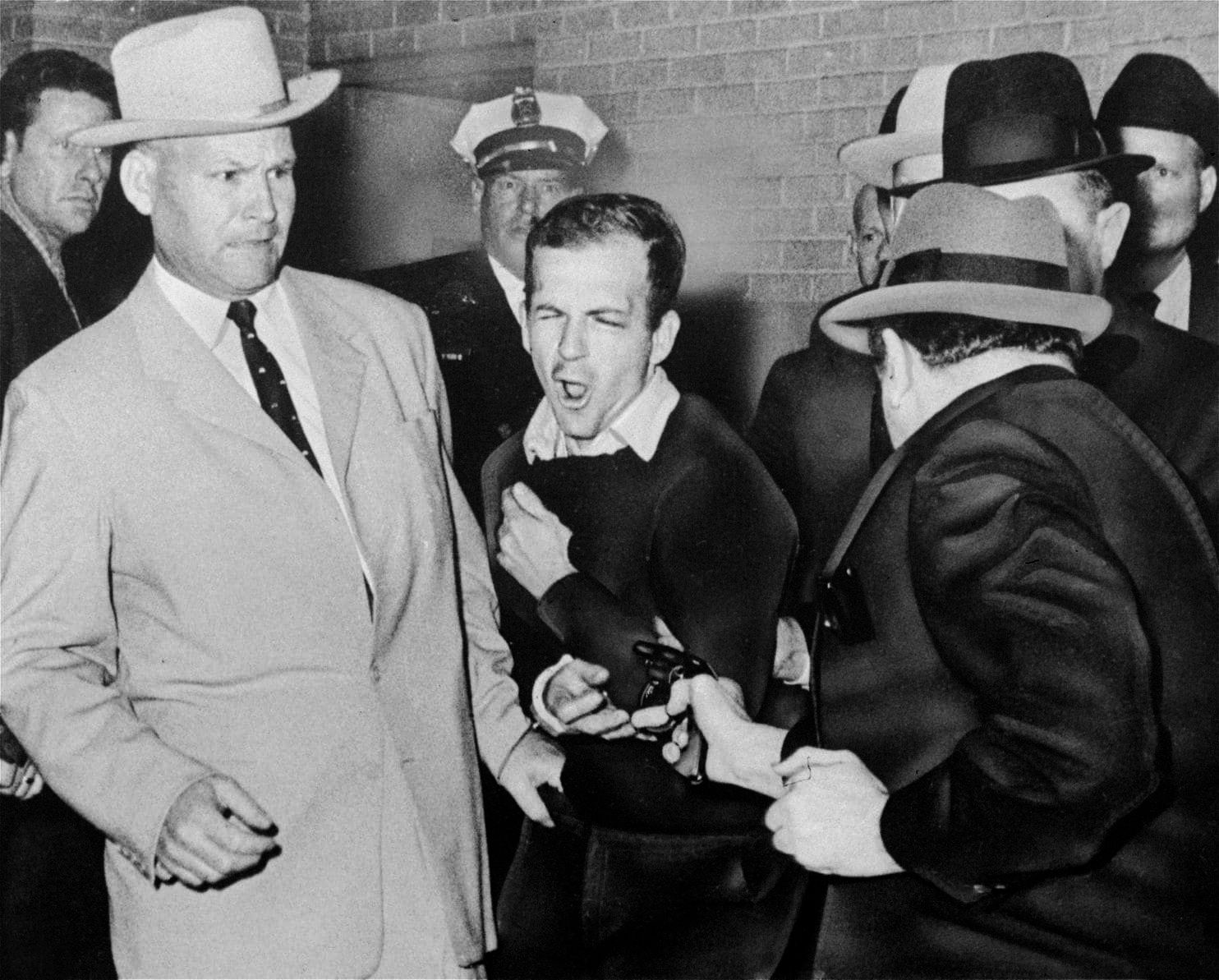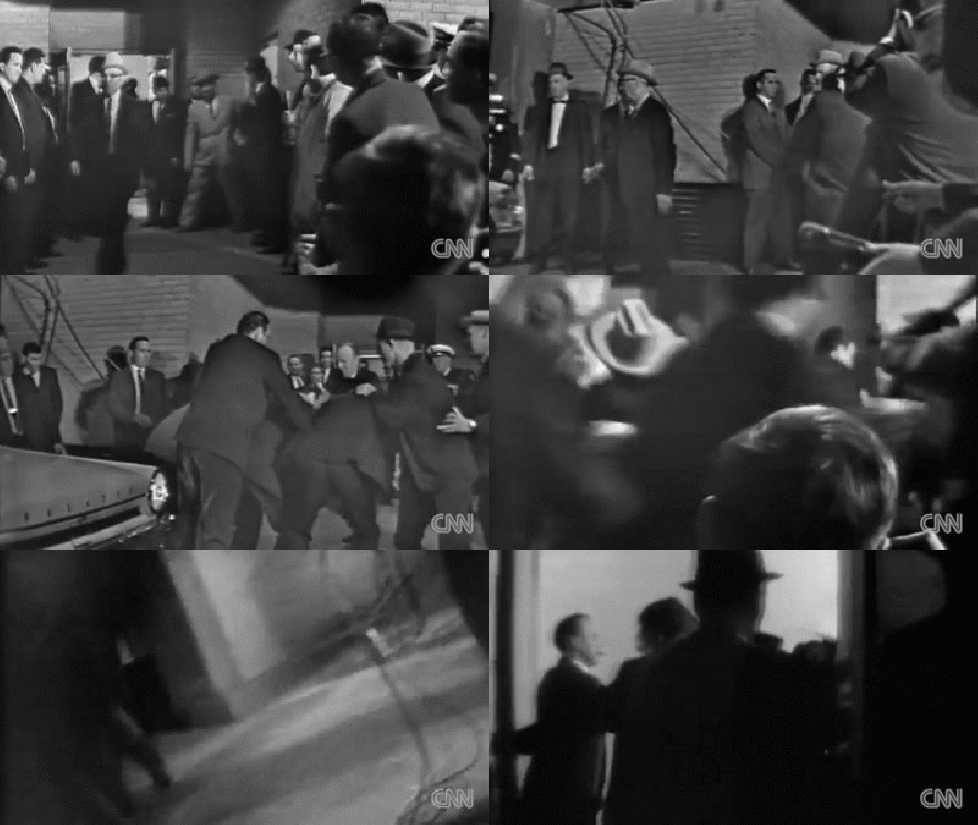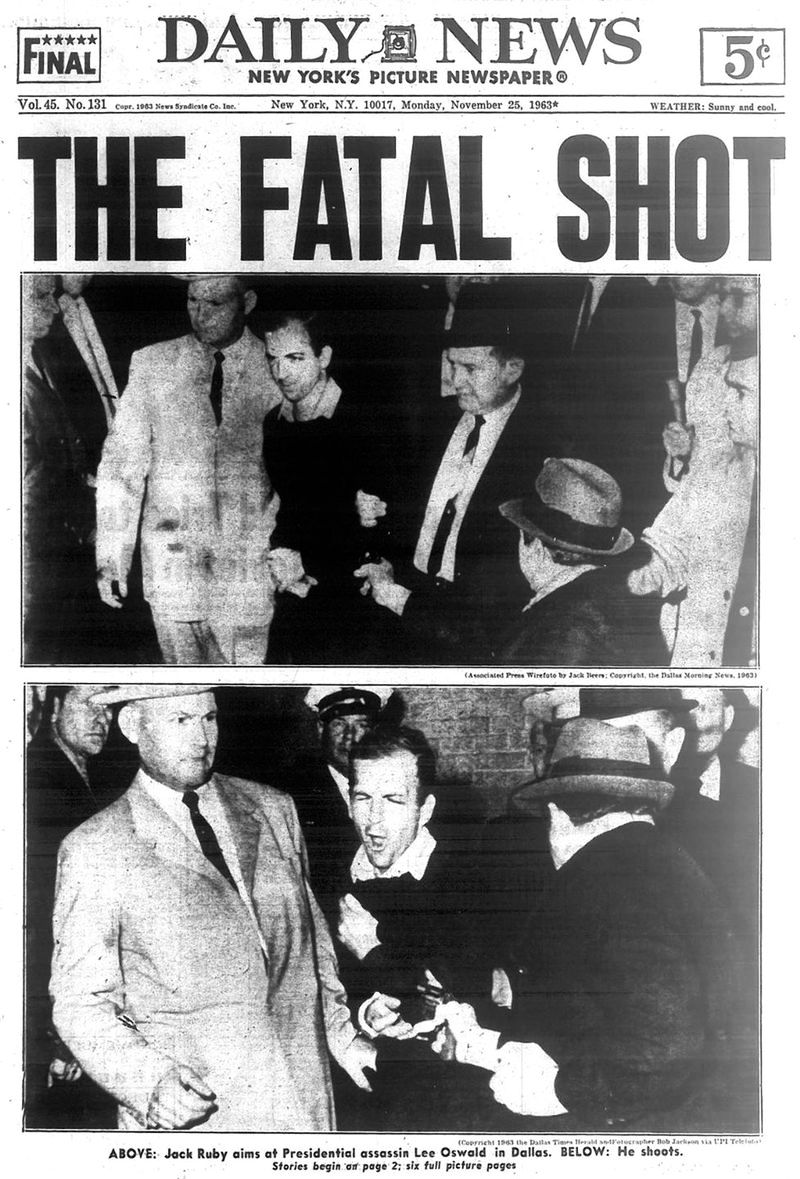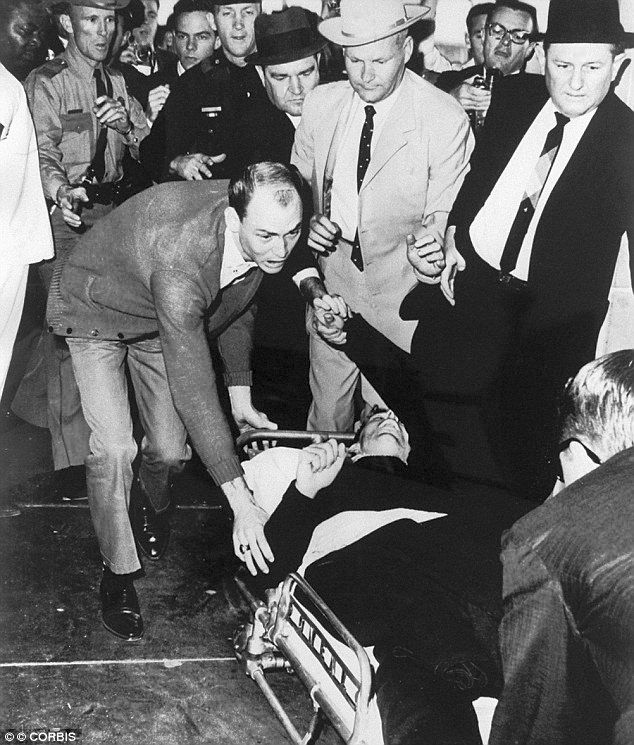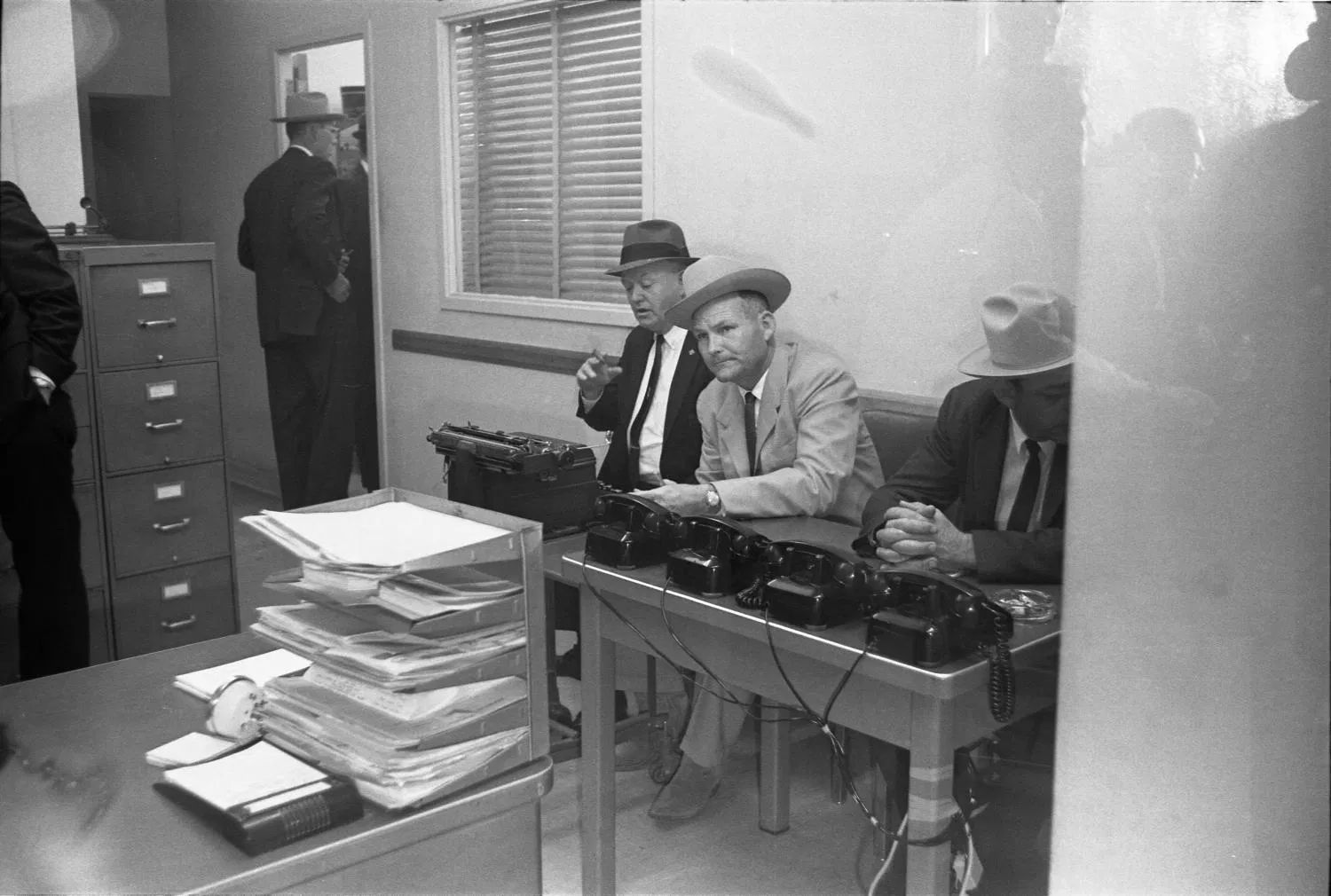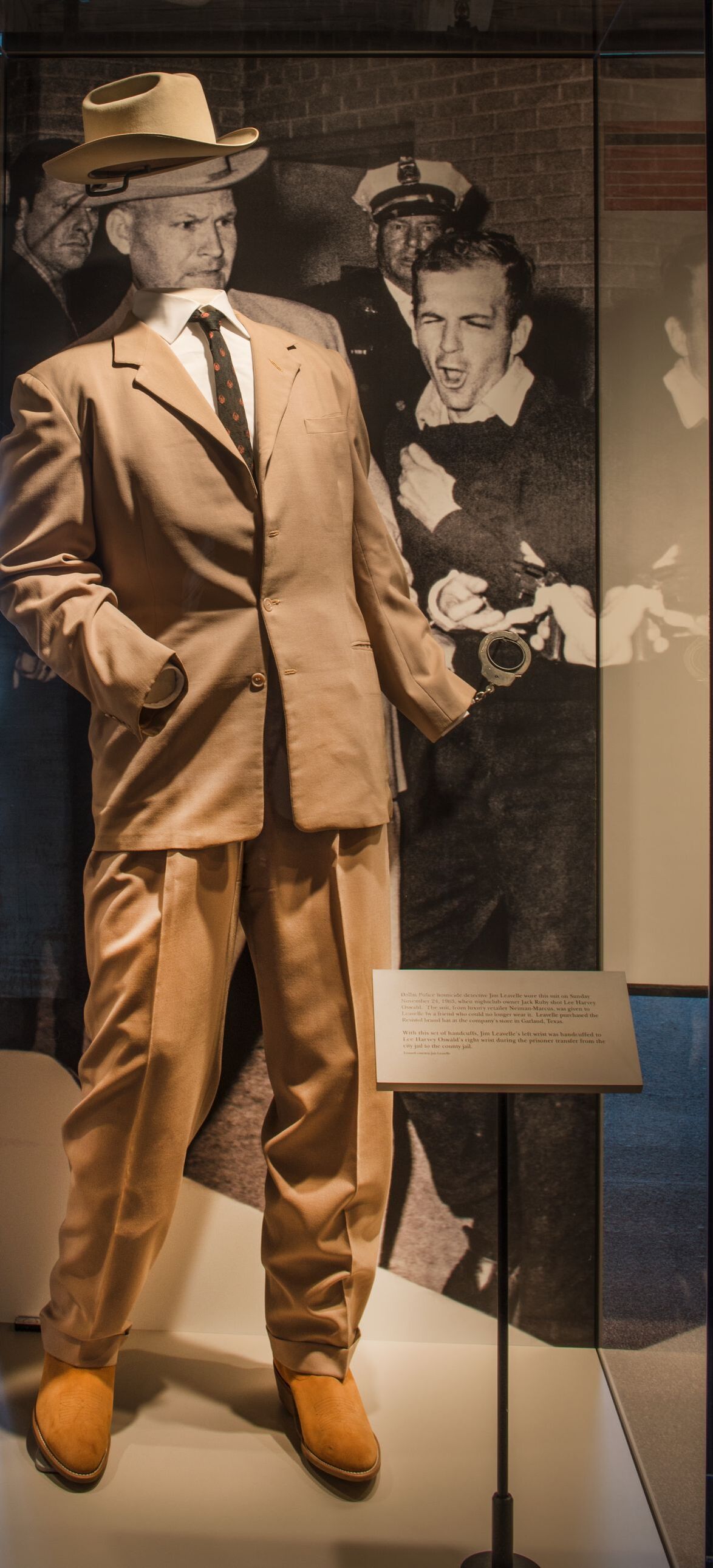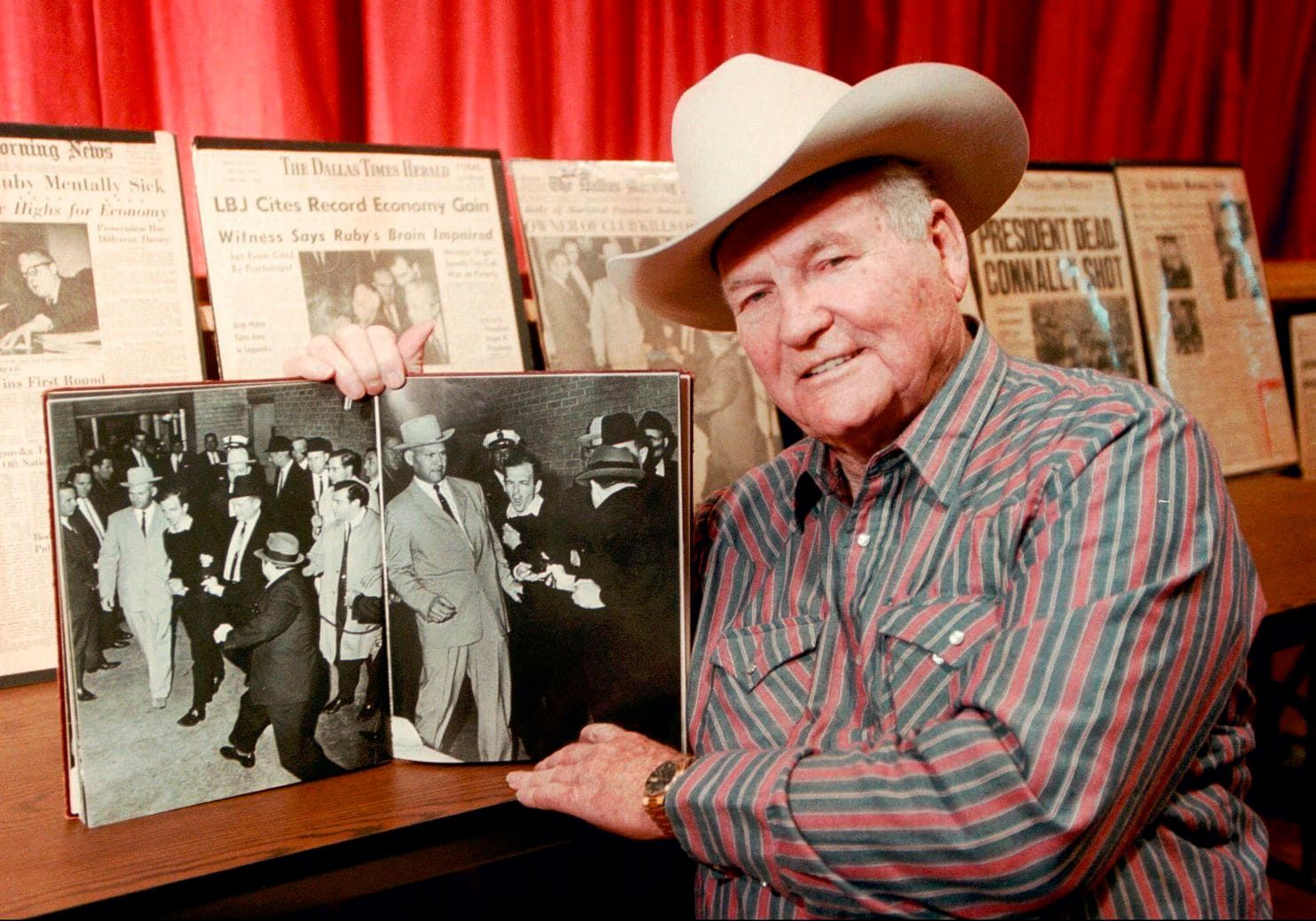

The Man With The Cowboy Hat & Tan Suit
 03. Sep, 2019
  1 Comment
03. Sep, 2019 1 Comment
15. Aug, 2019 0 Comments
14. Mar, 2019 0 Comments
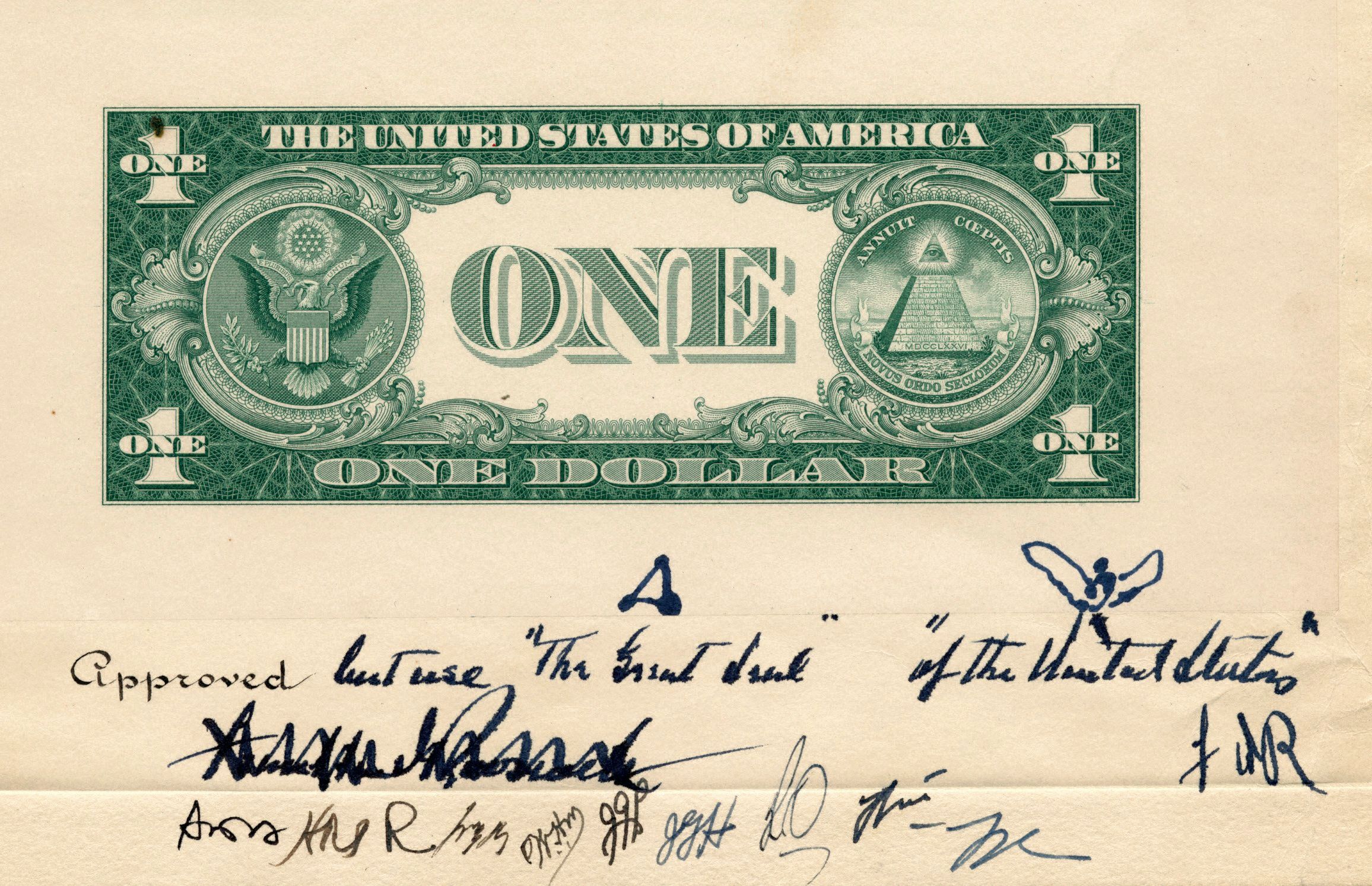
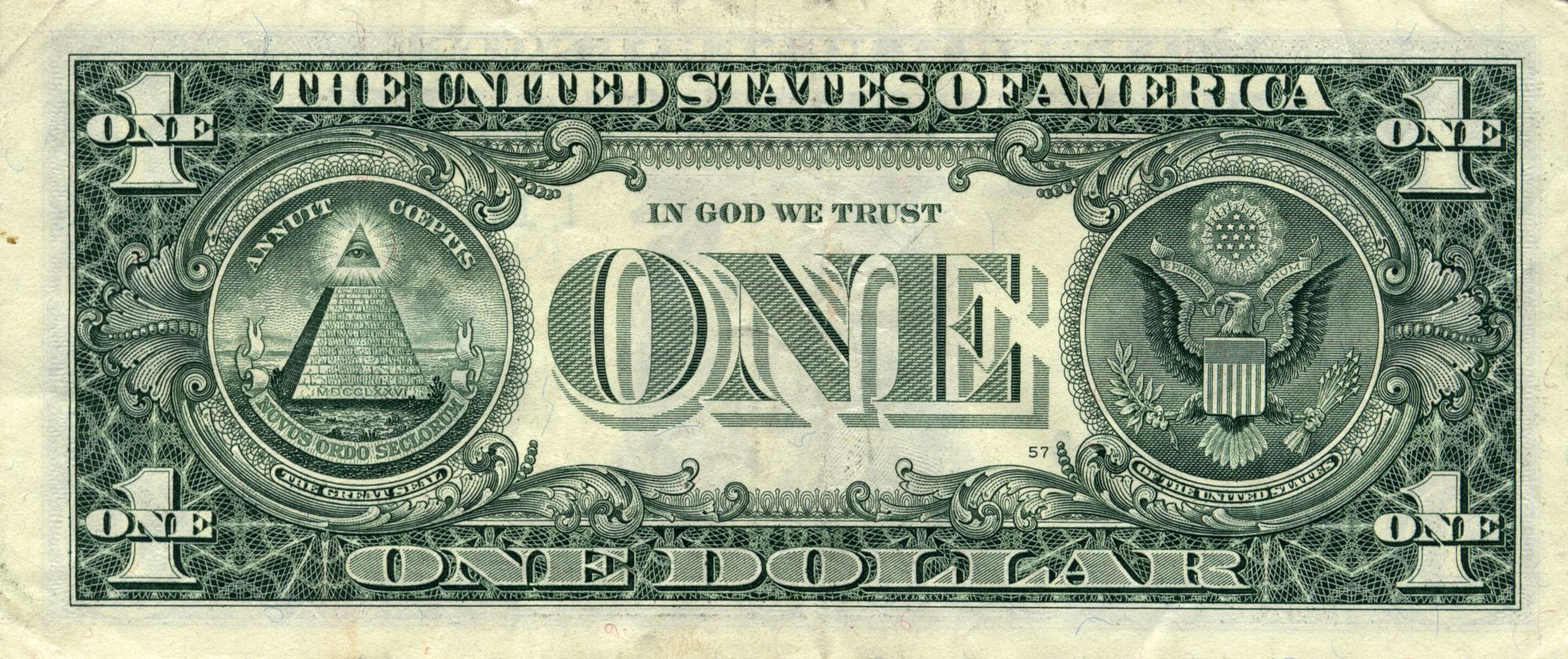
preliminary design for the back of the 1935 dollar bill, the first to include the Great Seal of the United States, with Franklin Roosevelt’s note of approval and request for two changes. This initial version had the obverse of the seal on the left and the reverse on the right, but Roosevelt ordered them switched, and added the phrase “The Great Seal of the United States” underneath
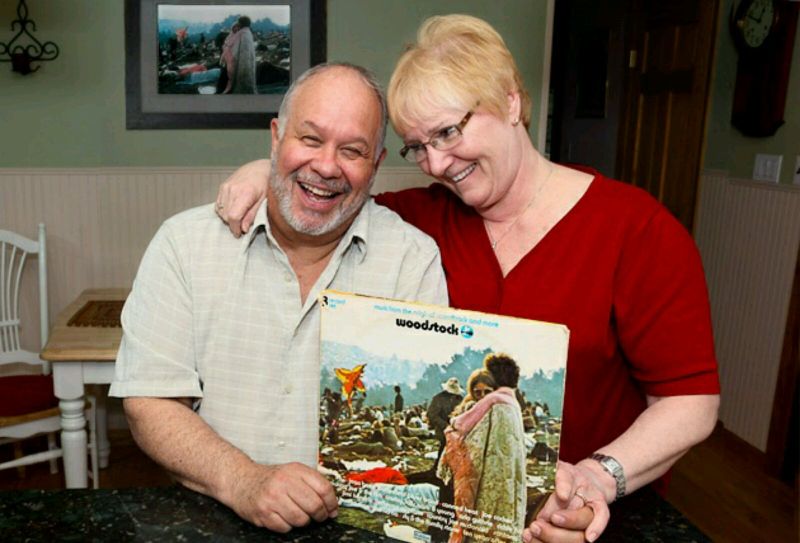
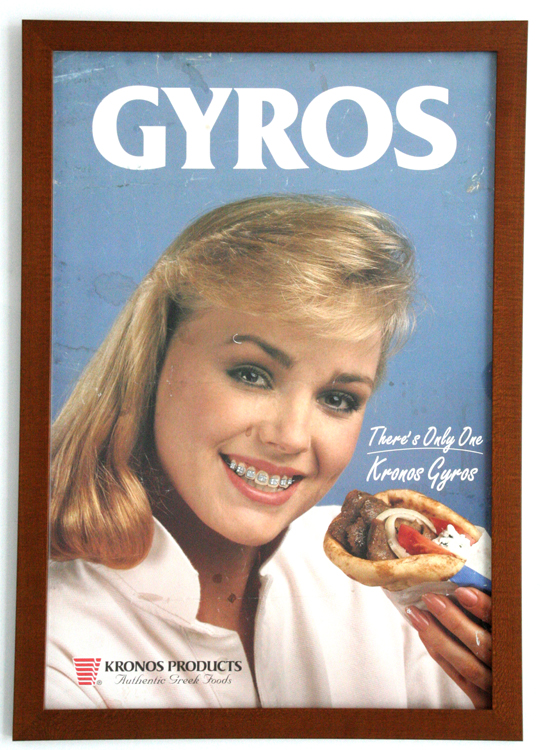
and here she is as she is now
06. Nov, 2018 0 Comments
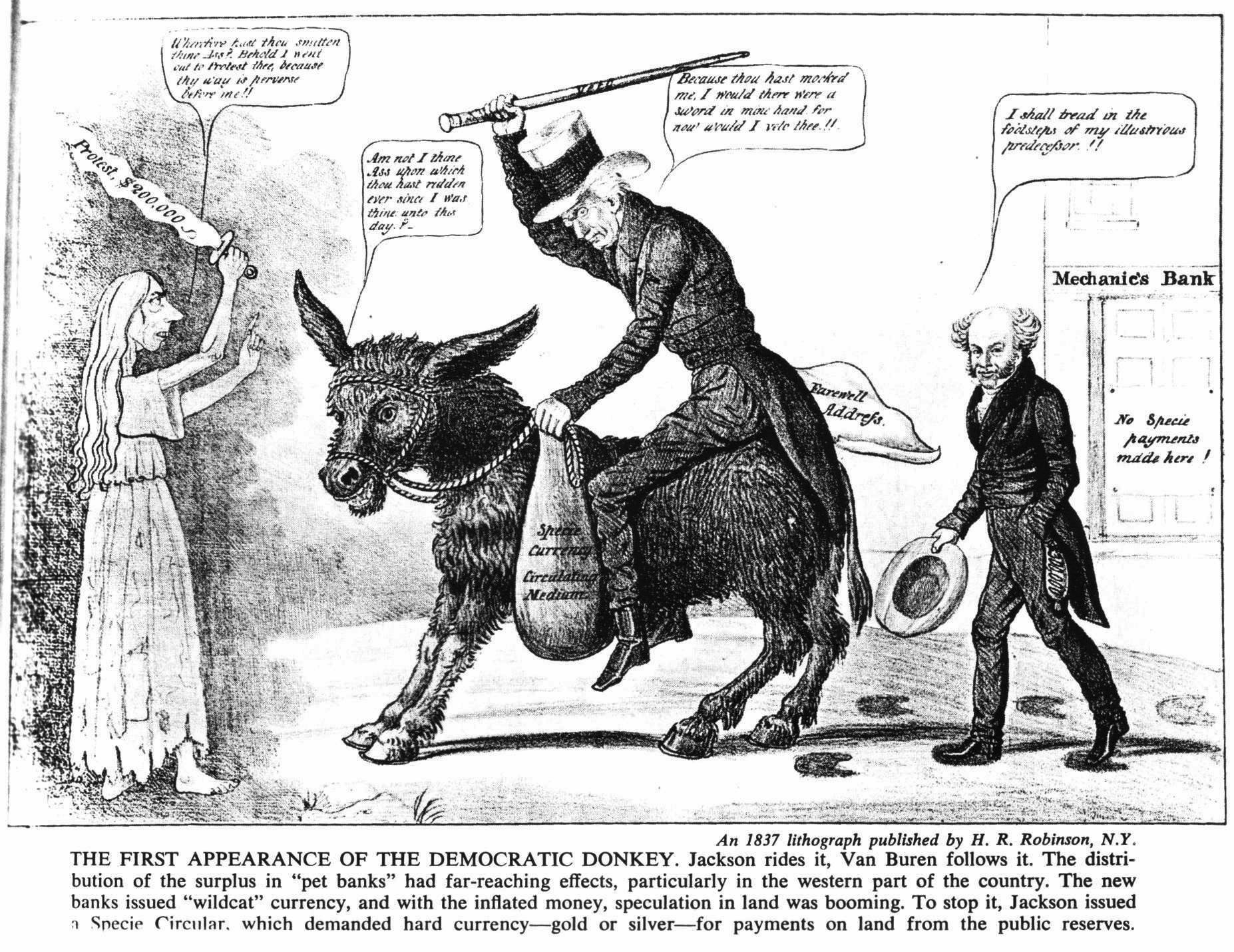
In 1828, when Andrew Jackson was running for president, his opponents were fond of referring to him as a jackass (if only such candid discourse were permissible today). Emboldened by his detractors, Jackson embraced the image as the symbol of his campaign, re-branding the donkey as steadfast, determined, and willful, instead of wrong-headed, slow, and obstinate. Throughout his presidency, the symbol remained associated with Jackson and, to a lesser extent, the Democratic partyÂ
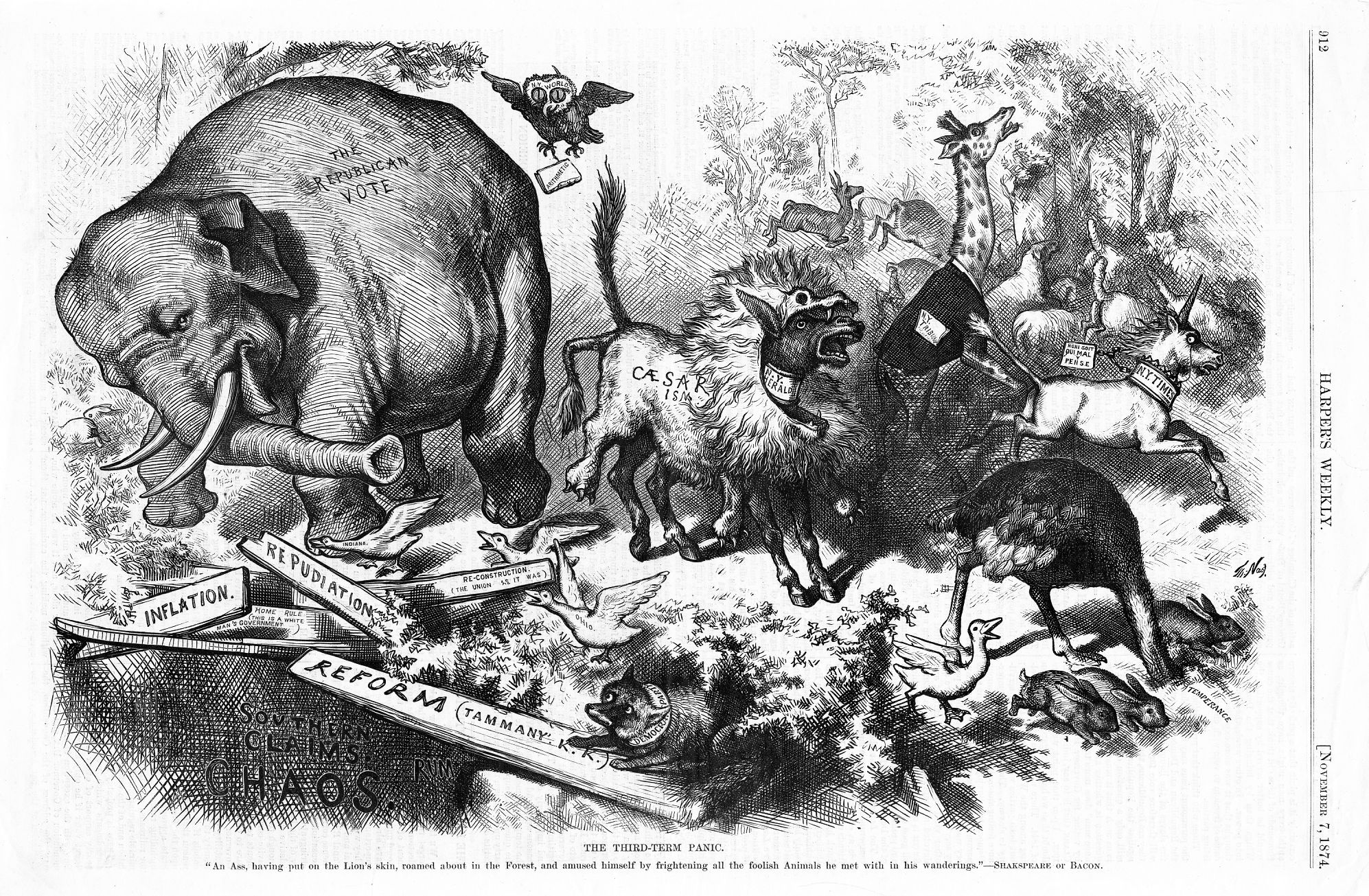
In 1874, cartoonist Thomas Nast, represented the Democratic press as a donkey in lion’s clothing (though the party itself is shown as a shy fox), expressing the cartoonist’s belief that the media were acting as fear mongers, propagating the idea of Ulysses S. Grant as a potential American dictator. In Nast’s donkey-in-lion’s-clothing cartoon, the elephant –representing the Republican vote– was running scared toward a pit of chaos and inflation. The rationale behind the choice of the elephant is unclear, but Nast may have chosen it as the embodiment of a large and powerful creature, though one that tends to be dangerously careless when frightened. Alternately, the political pachyderm may have been inspired by the now little-used phrase “seeing the elephant,†a reference to war and a possible reminder of the Union victory. Whatever the reason, Nast’s popularity and consistent use of the elephant ensured that it would remain in the American consciousness as a Republican symbol
[Political Animals: Republican Elephants and Democratic Donkeys]
21. Aug, 2018 1 Comment
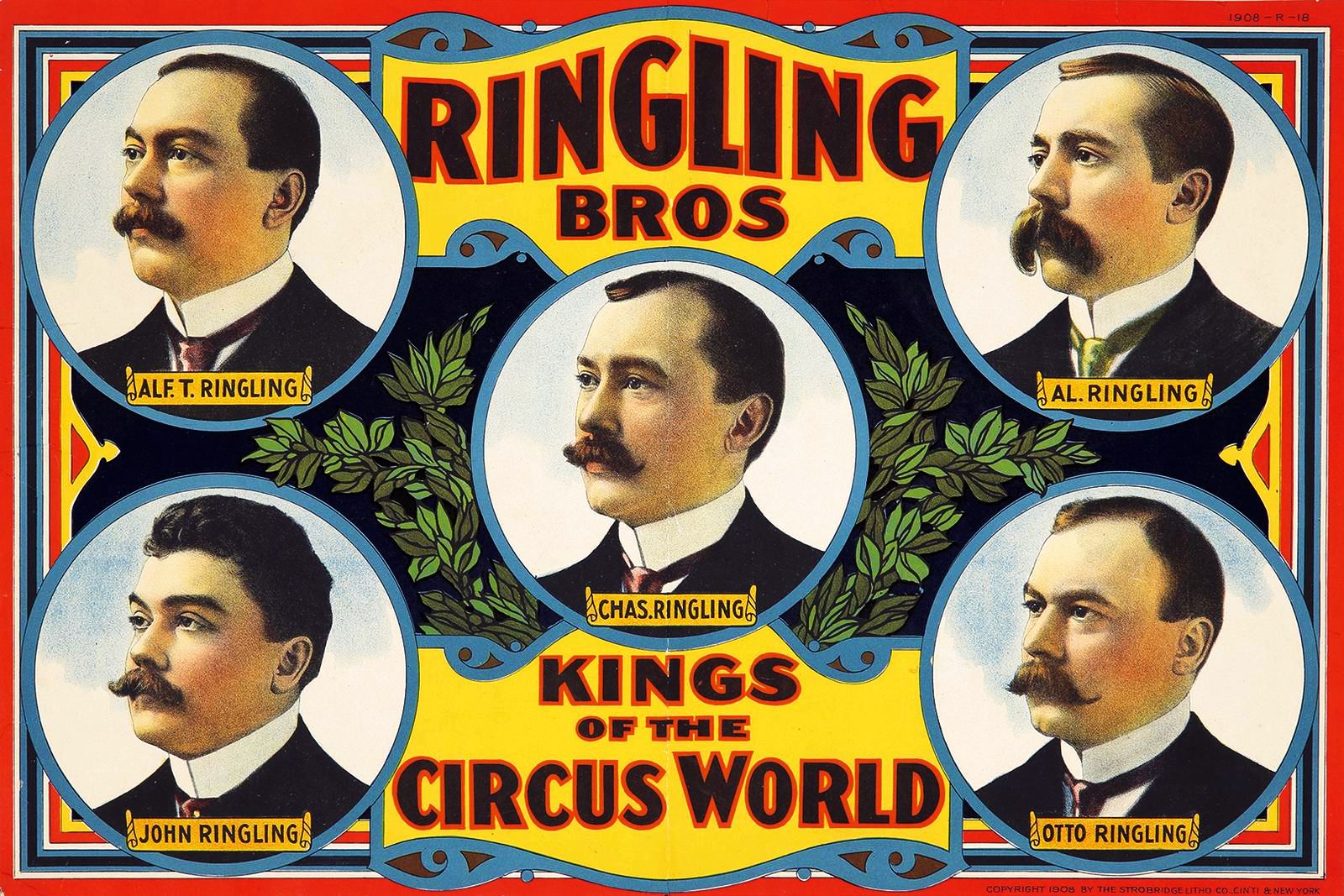
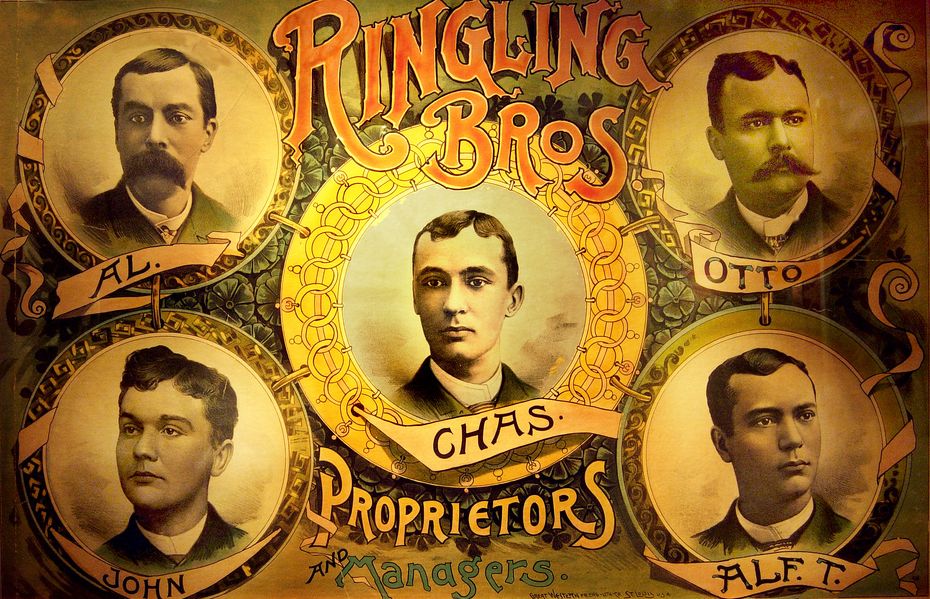
and here in 1898

and in a time when they had less staches
 0 Comments
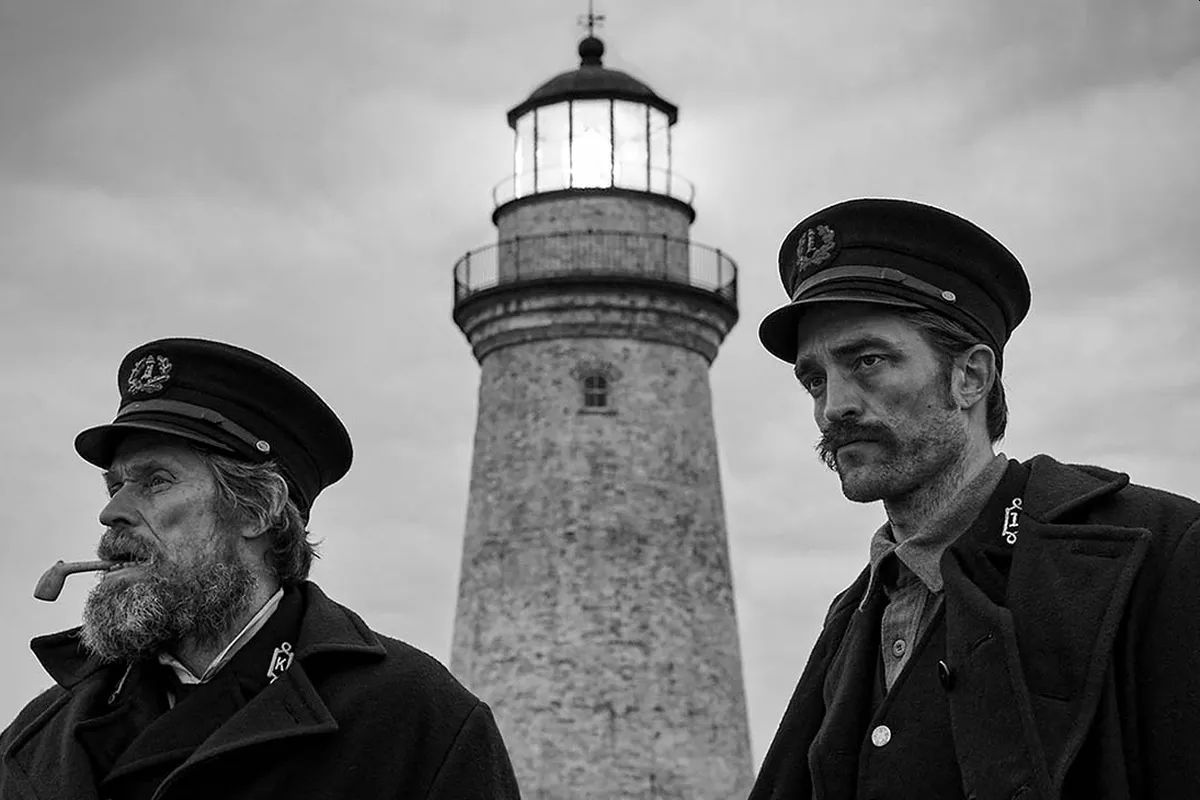
mo quick hitz! The Lighthouse Bless you Robert Eggers. You know how to strike a mood, and give us the heebie jeebies. In making a movie about two Lighthouse keepers not keeping sane, you drove us insane, and made quite the pretty picture in the process. It felt like watching a full-length, b&w version […]
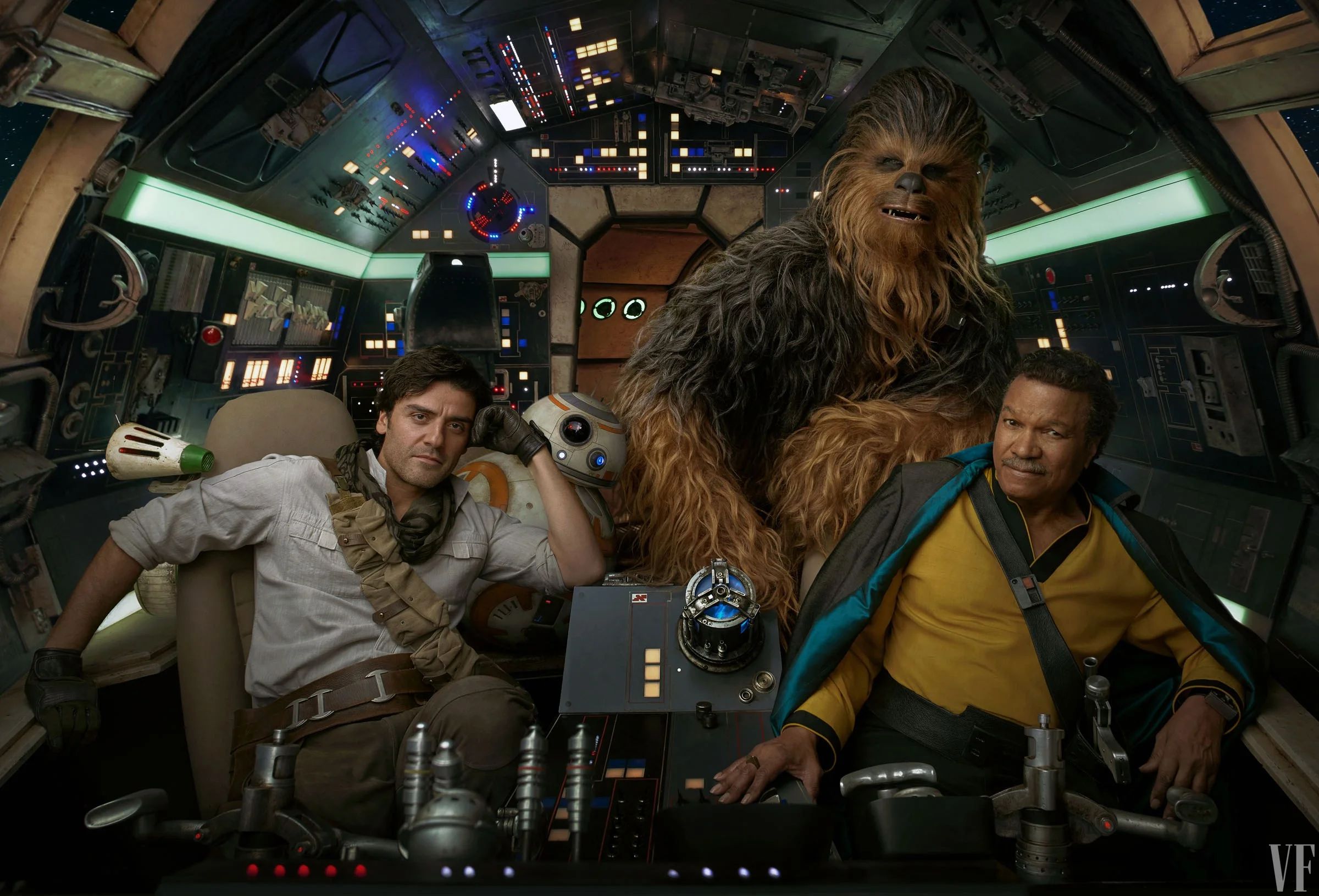
caught up on a lot of movies. no time to devote full diatribes – so quick hitz! Star Wars: The Rise of Skywalker Skywalker works because it wasn’t The Last Jedi. You really screwed the pooch Rian Johnson. Can’t blame J.J. for trying to right/write the ship when he was handed a mess and […]
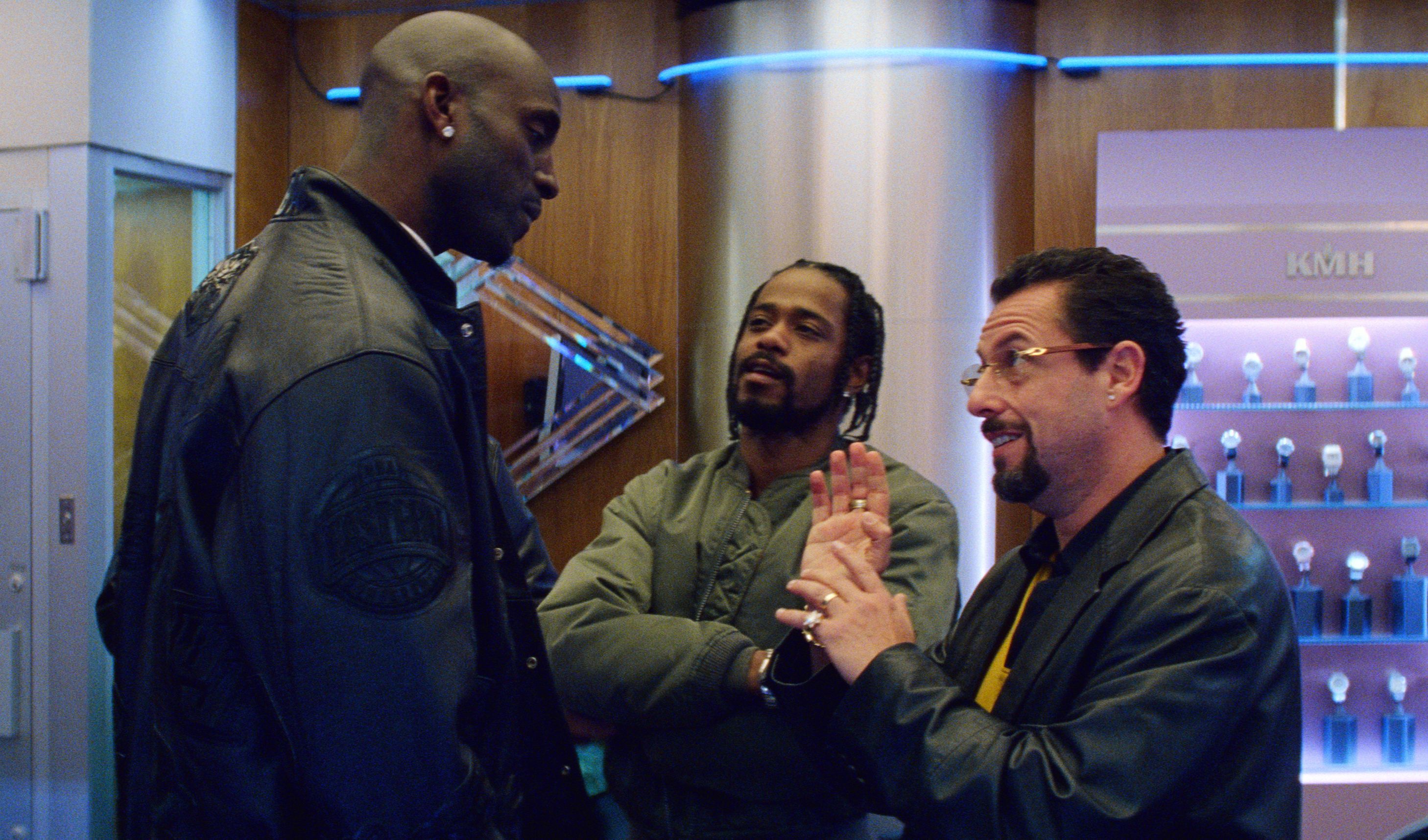
Uncut Gems Sterling, Sharp Official Site | Trailers & Mo R | 134 min This isn’t one of those Adam Sandler movies where he gets hit in the balls for laughs. It’s the kind where he gets his balls stomped on. YOU GO SANDLER!!! YOU GO GET YOUR BALLS STOMPED ON!!! Why don’t you go […]
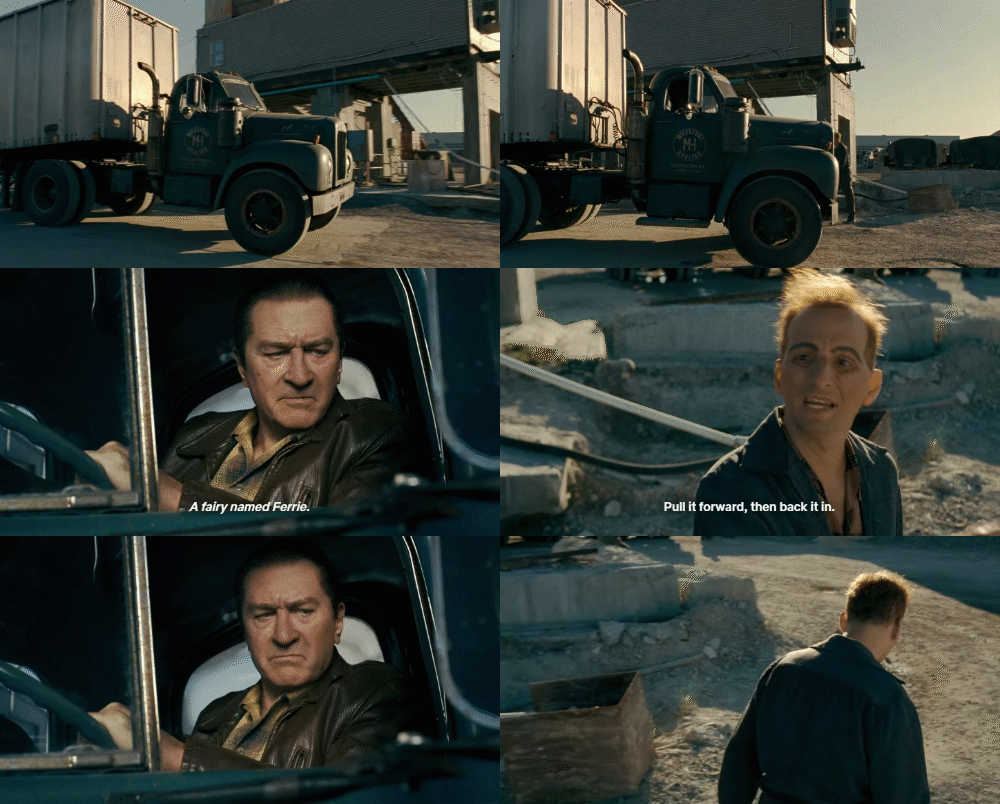
The Irishman Unionfellas Official Site | Trailers & Mo R | 210 min There is MUCH to praise about Marty’s latest grand spicy meatball (unbelievable sets and costumes! DeNiro is best when he is quiet! Pacino is even bester when he’s loud! And dancing with women!!  Tommy The Tit IS the tits!! Lums!!! that’s what […]
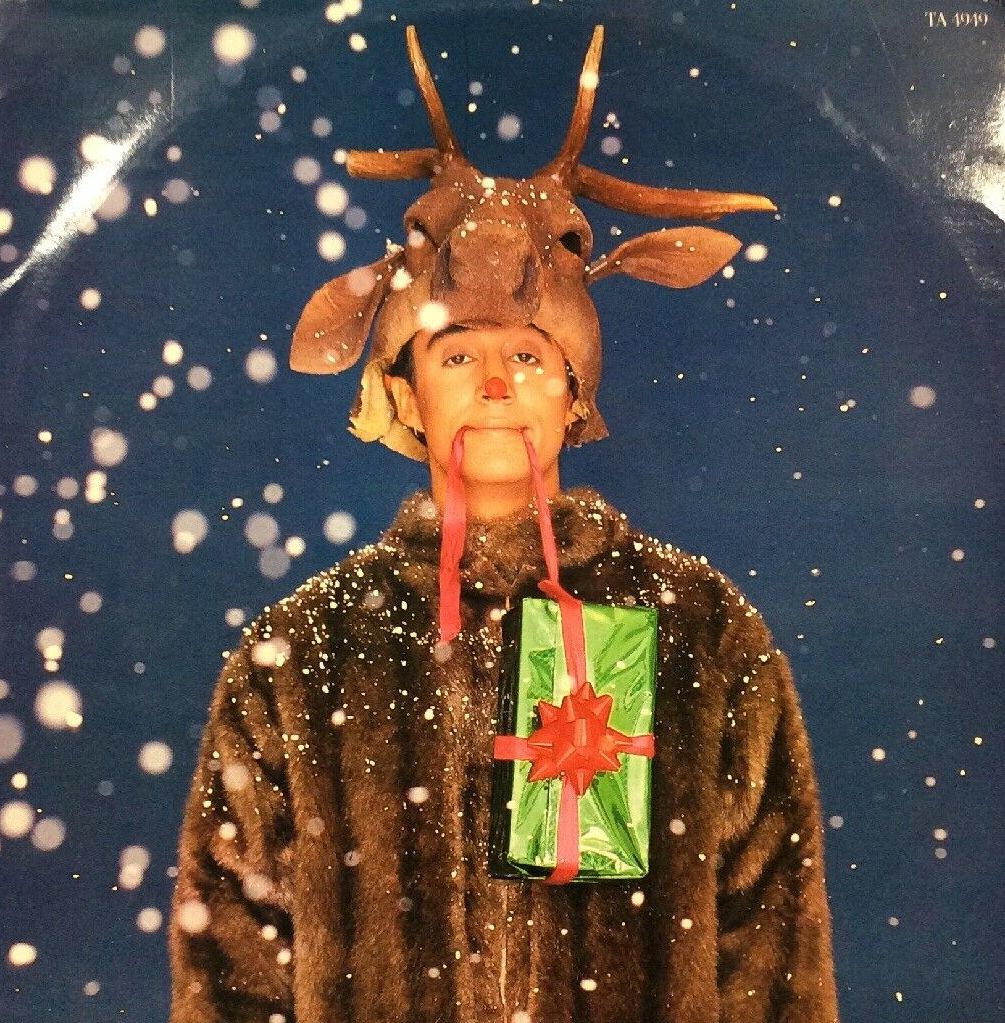
Last Christmas Wham! Bam! Mostly No Thank You Ma’am? Official Site | Trailers & Mo PG-13 | 103 min For 18/19ths of this movie (which I brought an infant in a stroller to!!! BEST DAD EVER), I was like, this is worse than a Hallmark Christmas movie!!!! THERE’S NOT EVEN A SINGLE GAZEBO IN THIS […]

Star Wars is stagnant, but there is a new hope, if only they went down a path that looked more like this… Kalinka Fox
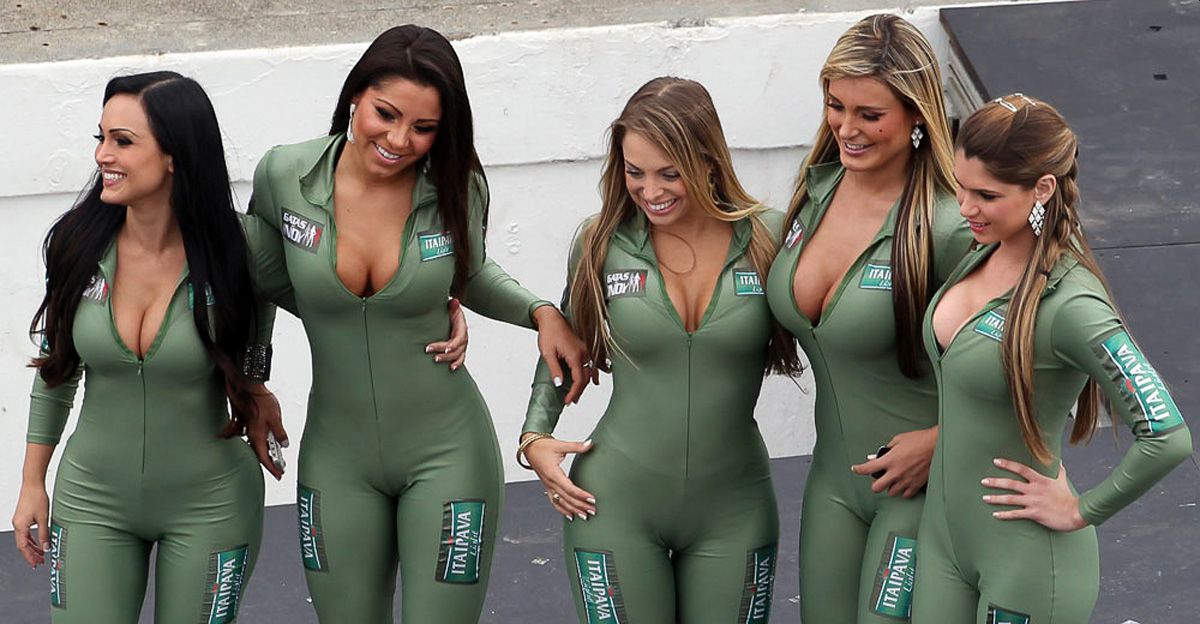
Brazilian models pose during the IZOD IndyCar World Championship Sao Paulo Indy 300 race, April 29, 2012

104 years was not nearly enough Olivia de Havilland for this world. we needed 208. miss you tons Olivia de Havilland. miss saying your name knowing that you were still with us. we will always and forever say your name, and in that way, you will always and forever be with us Olivia de Havilland […]

Being a father has given me so much. Although for the first few years of this incredible duty and journey, it robbed me of my once great passion of seeing movies. Alas, I pushed movie-going on my daughter about as early as I could, and now she’s beyond game to go, although we’re not quite […]
thighs wide is SIXTEEN years shut!!!!! (turned sweet 16 on March 8th!) I just don’t know how to quit me. do you? (note – each picture below is clickable and will take you to its own magical place) Daphne Zucchini Bread Do Believe The Hyphen Steve Carlton Fisk Orange Crushed You’ve Reached the Office of […]
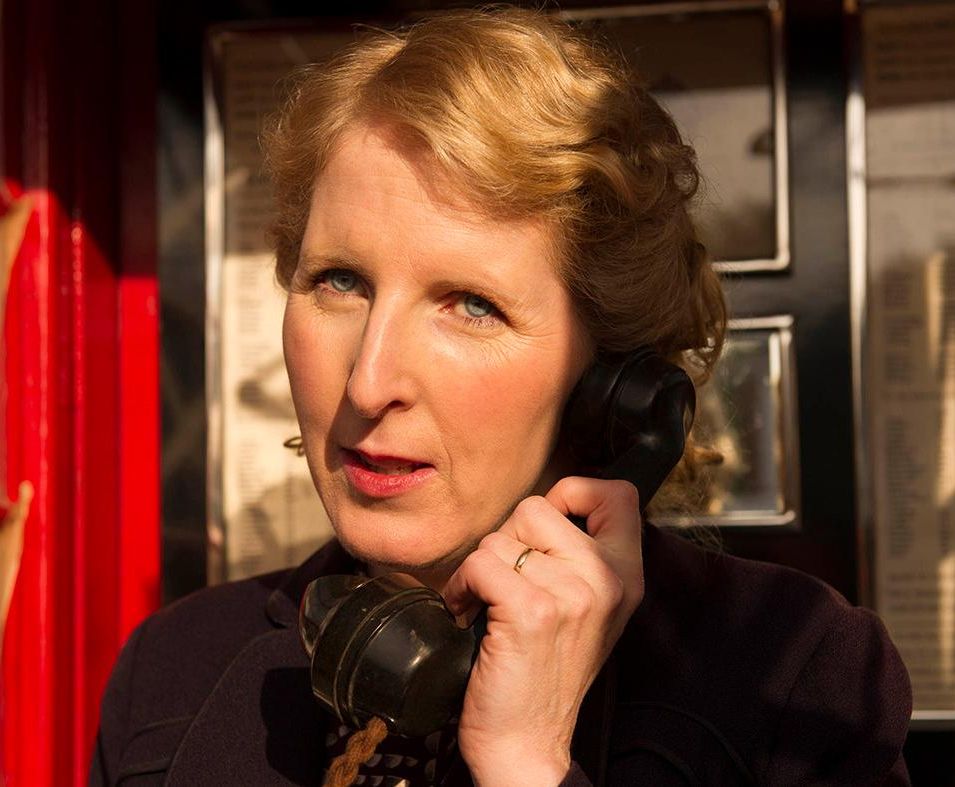
we named the breastest movies of the beastest of the 2019 and now, for the only awards that matter… SEXtenth Anal Thighs Wide Movie Awards aka THE THIGHSMANS!!! _ Greatest Righting of A Wrong In A Movie Franchise EVER in The Rise of Skywalker when they like, hey Rose, want to join us on this […]
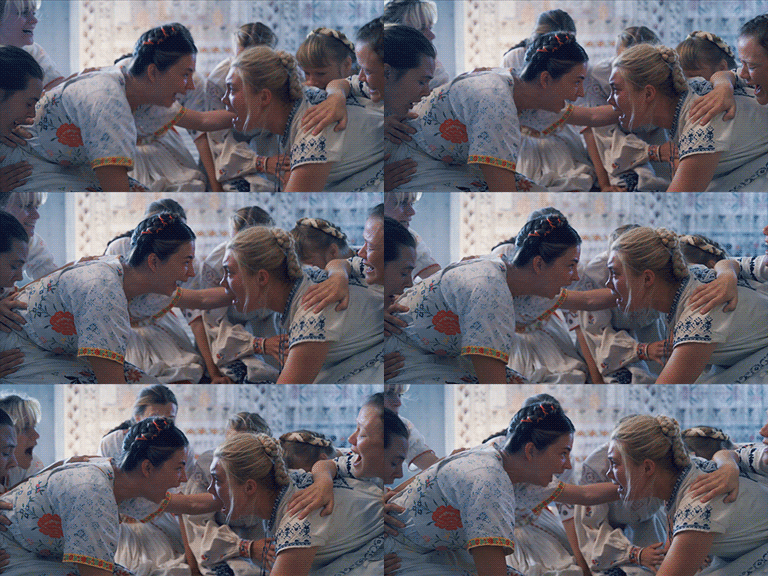
Seven 2019 Films That Were More Pitch Perfect Than Jerry Blevins! 1) Midsommar Something wicker man this way comes!!! 2) Ad Astra it space races your heart! 3) Joker apparently never posted a review here, but this will have to do the @jokermovie is easily the best Batman related movie ever made. come for the […]
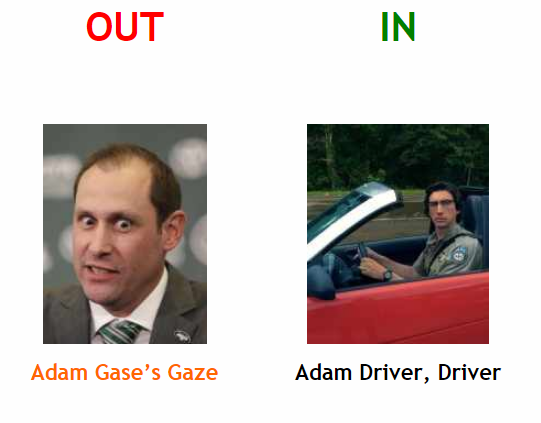
there is nothing I look forward to more than compiling our annual goodbye to last year’s trends and hello to this year’s puns. The Washington Post is more professional at this sorta thing, but maybe you’re not into the whole brevity thing… OUT IN Adam Gase’s Gaze – Adam Driver, Driver – TikTok – […]